


search
date/time

Sat, 1:00PM
overcast clouds
12.7°C
W 15mph
overcast clouds
12.7°C
W 15mph
 | Sunrise | 4:56AM |
| Sunset | 7:10PM |  |

Andy Harris
Motoring and Property Editor
@ytimesmotoring
P.ublished 3rd January 2026
cars
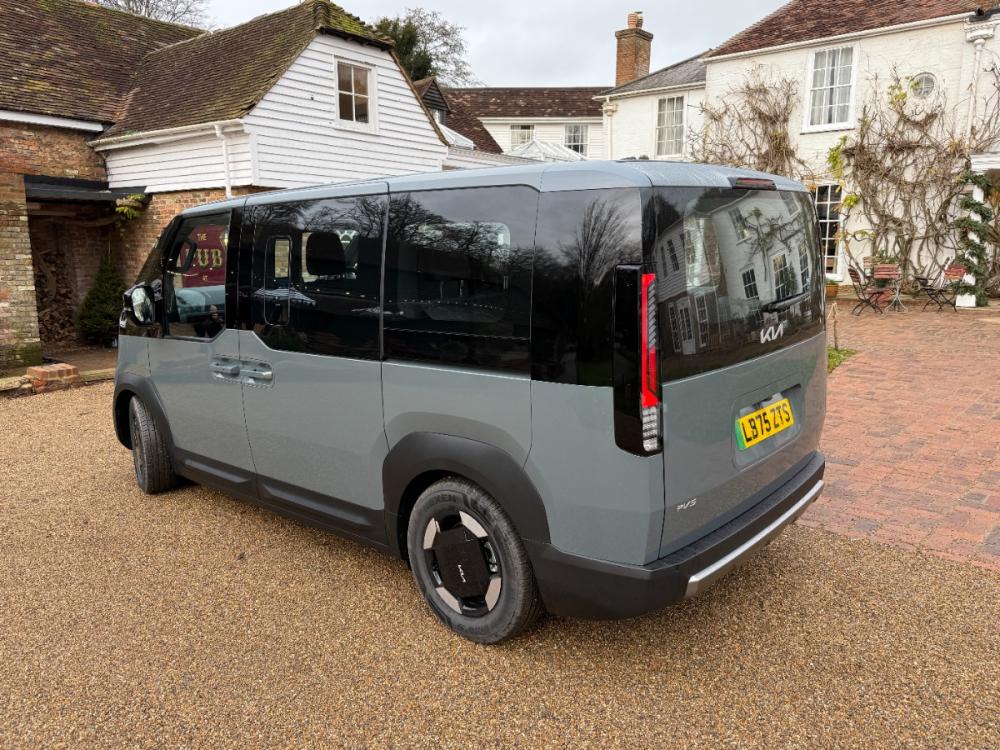
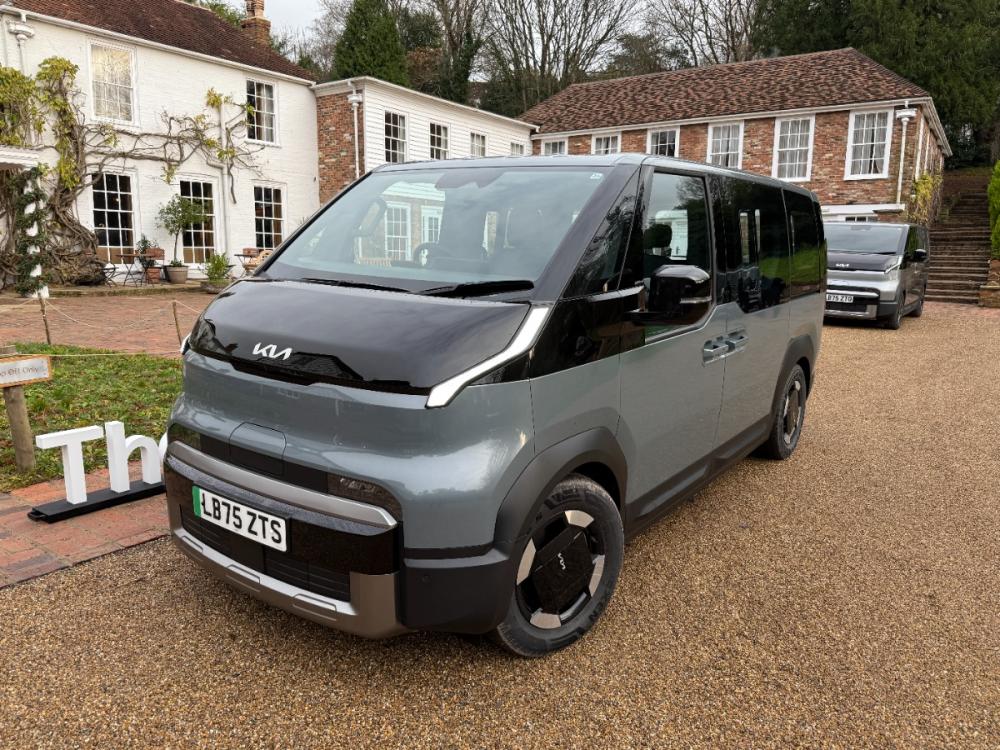
Kia’s Exciting New Van – The PV5 Launch Review
The Transits that I first hired were slow, extremely noisy and difficult to drive. The lack of power steering meant that low-speed manoeuvres gave a full upper-body workout, especially with a full load on board.
The UK media launch was held just before Christmas near the south coast, necessitating another long trek south. I wasn’t about to miss out on the chance of an early drive of such a potentially significant vehicle.
First a few facts and figures. Kia offers two batteries in the PV5. The smaller 51.5 kWh pack model has 120 bhp, a 0-62 mph sprint time of 12.8 seconds and a range of up to 183 miles. The larger 71.2 kWh battery version has an extra 40 bhp, which knocks a little over two seconds off the sprint to 62mph and has an increased range of up to 256 miles. Top speed is 84mph regardless of which version. These figures are for the passenger version, but there is little difference if you choose the commercial variant.
Passenger vans start at £32,995, rising to £38,925 for a ‘Plus’ model with the larger battery. In commercial guise, prices range from £27,645 + VAT to £30,145 + VAT and don’t forget there is a government plug-in van grant of £5,000 applicable here too.
The PV5 can be charged quickly on a public DC charger, up to 150kW, so a 10-80% top-up should take around half an hour, which is hugely important for a working vehicle.
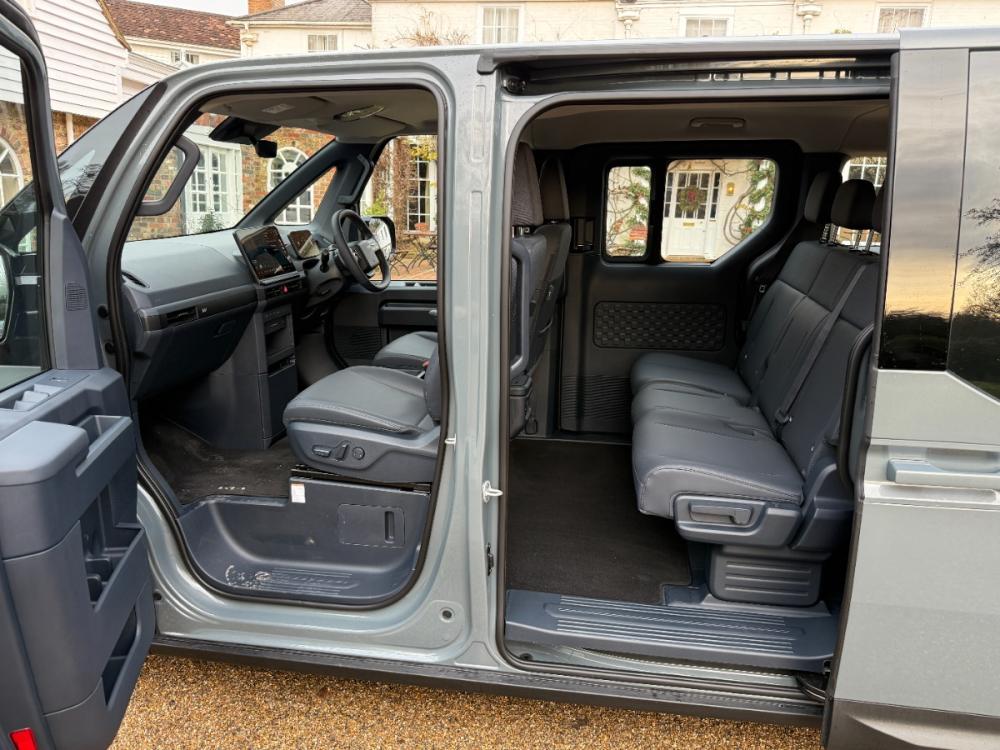
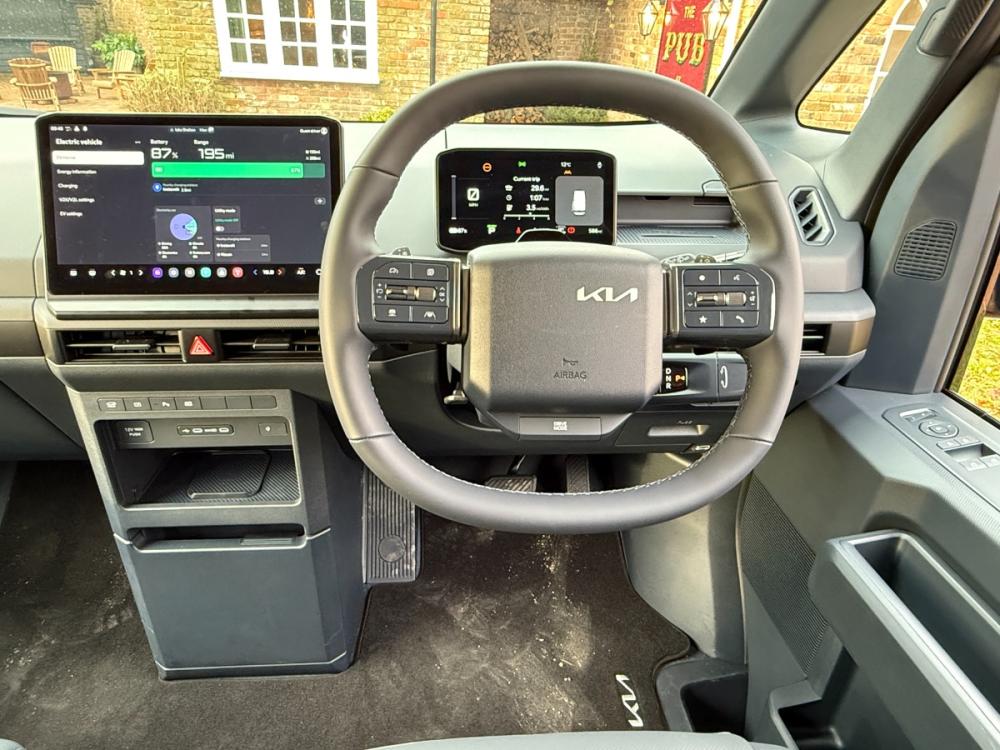
The boot space is vast at over 1,300 litres, and the low floor means loading will be easy. Fold the seats, and a gargantuan 2,300 litres will now be available to use, ideal for those mountain bikes, tents, etc. Material quality is robust rather than plush, fine for a cargo van, perhaps a tad disappointing in a passenger vehicle. Recycled plastics are the order of the day.
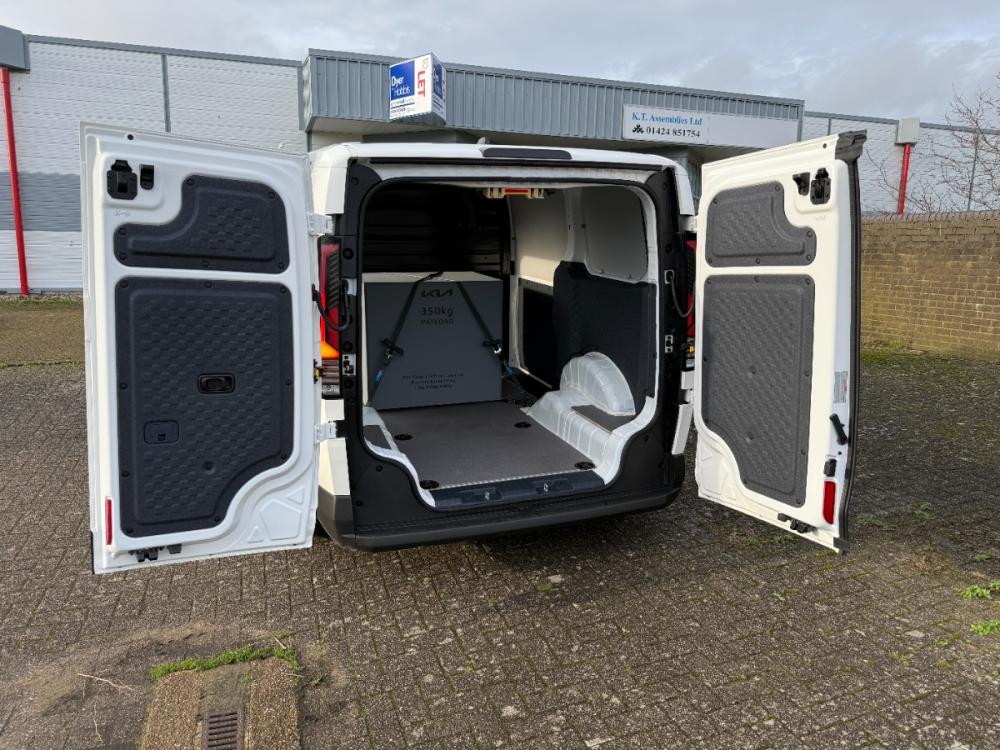
If anything, the commercial van is even quieter, as there is a fixed bulkhead behind the front seats, making for a cosy driving compartment. The test cargo vans were all fully loaded, which didn’t seem to noticeably dull the performance and certainly smoothed out the ride a tad.
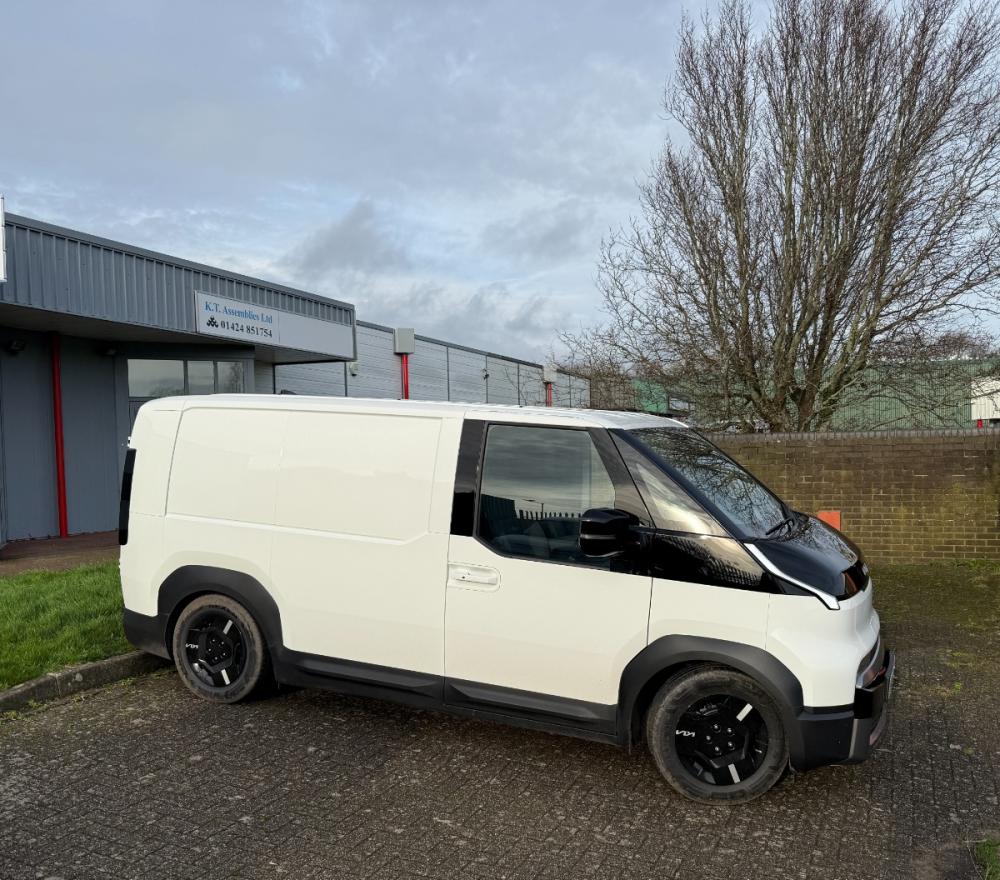
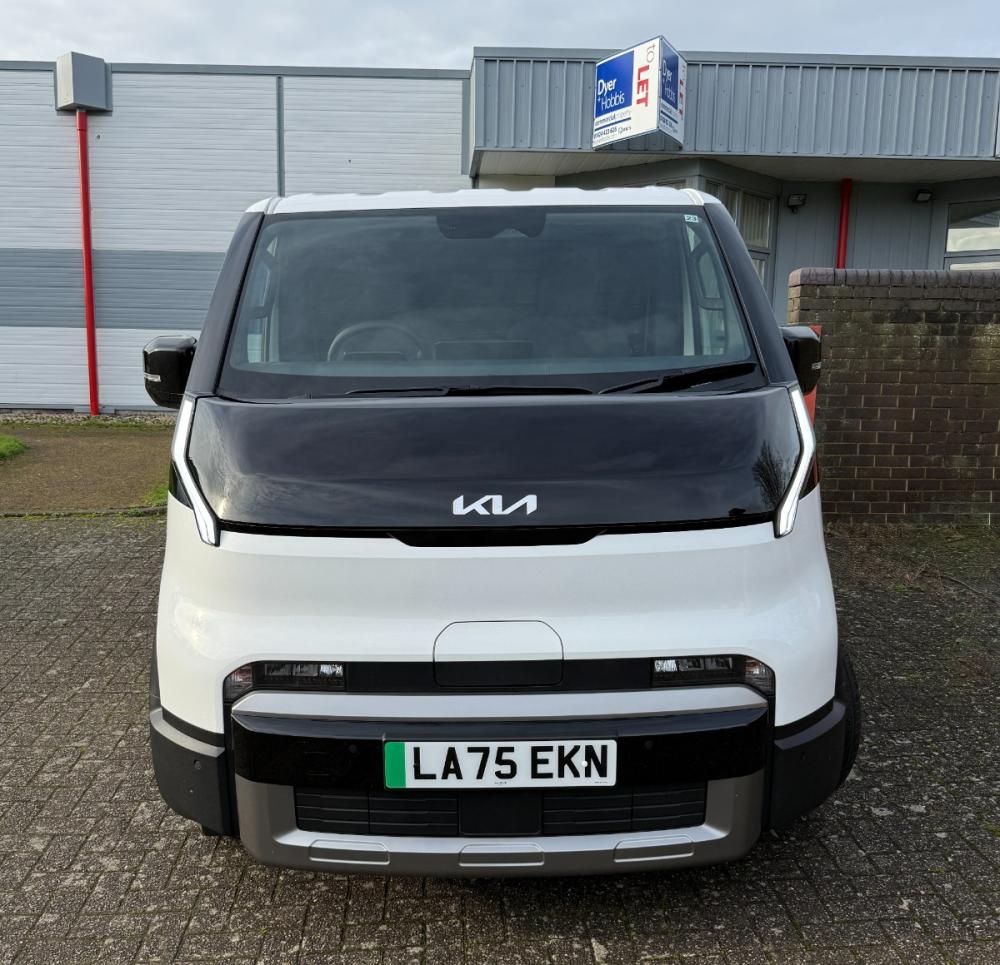
Moving on to the PV5 Commercial, a quick look at Ford’s current price list confirms that prices for an E-Transit start at a heady £43,630 excluding VAT. Advantage Kia big time once again!
It should also be borne in mind that all PV5 vans come with Kia’s excellent 7-year/100,000-mile warranty (Volkswagen and Ford both offer just 3-year/60,000-mile warranties as standard).
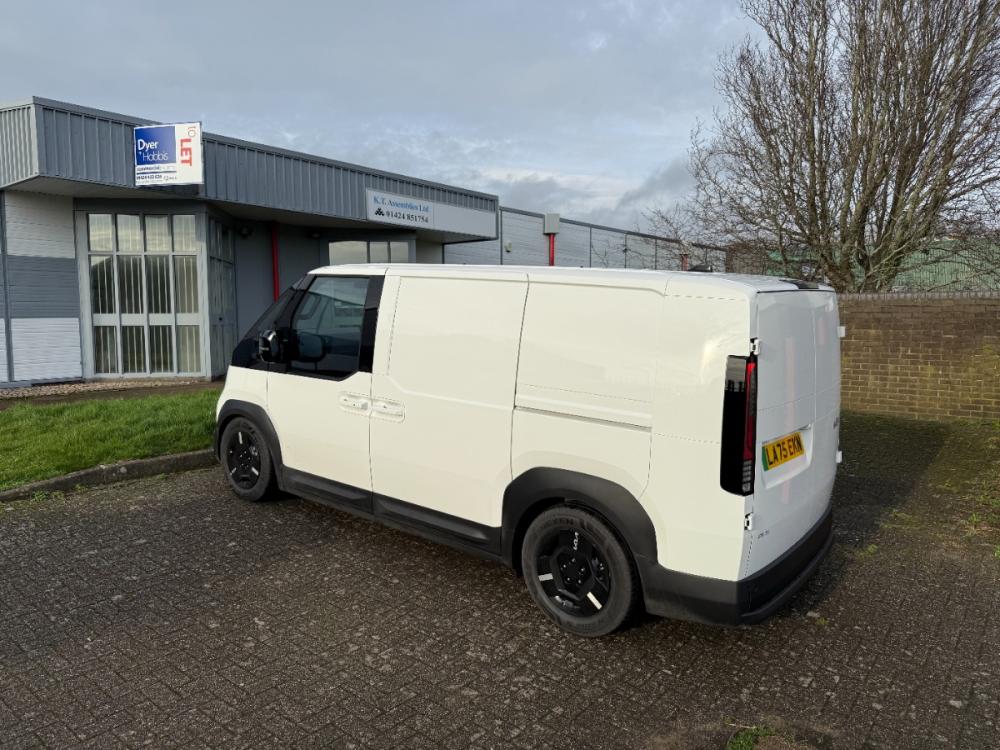
The PV5 looks set to shake up the electric van sector. That it can do on price alone, but coupled with well-developed, reliable battery technology, decent driving characteristics and a comprehensive kit, it is sure to succeed. Kia expects to sell a modest 1,250 passenger PV5s in 2026, something it should achieve with ease. Ideal for the private hire market and large families alike.
As for the cargo version, do you really want to pay more than 50% more for the equivalent Transit? No, me neither. More in-depth reviews to follow later this year when I put the PV5 through its paces on local roads.