



search
date/time

Tue, 9:00PM
broken clouds
9.7°C
SW 10mph
broken clouds
9.7°C
SW 10mph
 | Sunrise | 6:54AM |
| Sunset | 4:41PM |  |
P.ublished 13th June 2024
arts
Windrush Generation Nurses Celebrated In Special ‘In Conversation’ Event In Leeds
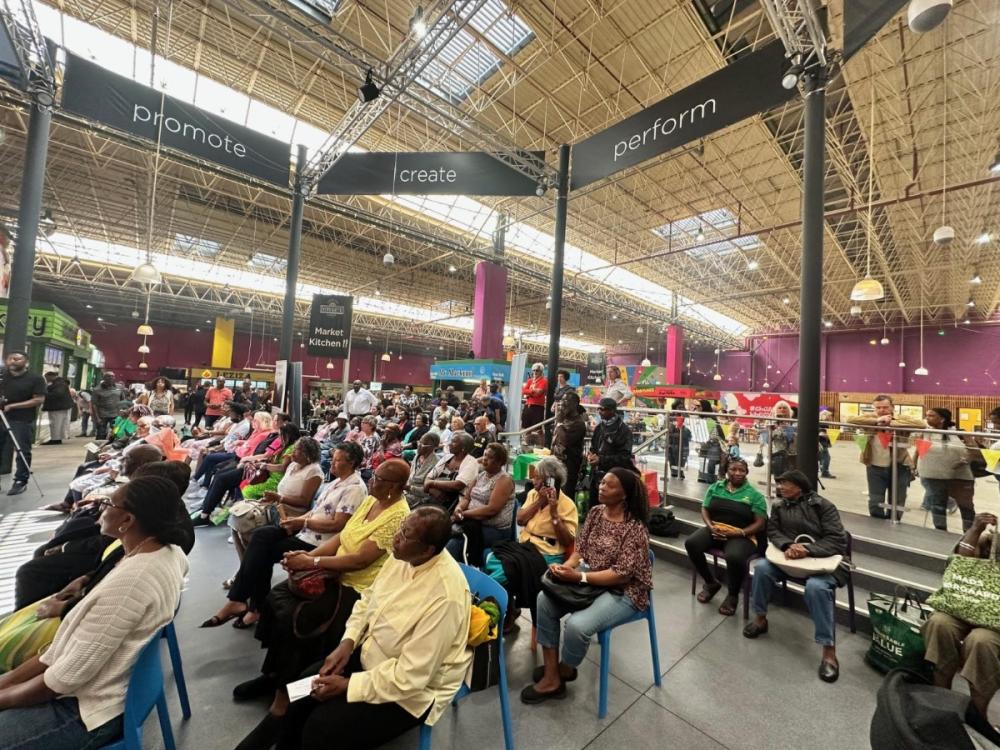
Yvonne English, Dorothy Stewart, Gloria Hanley and Ad Maynard, will talk to the award-winning writer and poet Malika Booker about their memories and experiences of training and working as nurses in the NHS during the 1960s and 70s, as part of Jamaica Society Leeds’s ‘Legacies of the Leeds Windrush Generation’ project.
This free event, held at Leeds Central Library on June 18, will explore the forgotten achievements of the Leeds Windrush generation nurses. There will also be an exhibition of photographs and memorabilia and an audience Q&A session at the end.
The quartet of former nurses will talk about the efforts to combat health equalities around conditions such as Sickle Cell disease and diabetes, and the legacies they left behind. They will also discuss the achievements of the pioneering Mary Seacole Nurses Association Leeds and the impact it had on the Caribbean community.
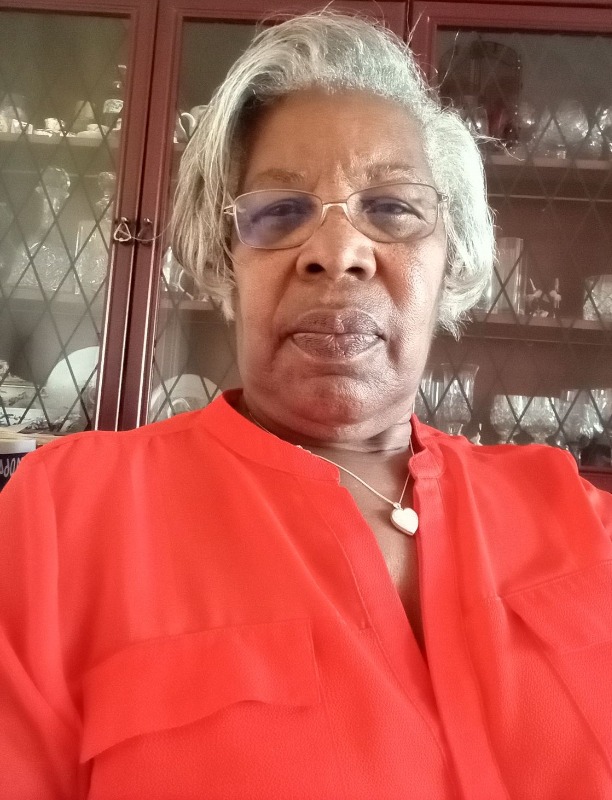
Yvonne English,
“When I signed the invitation application form l signed for a three year course but when I got into nursing school we were all told that our course would be for two years and not three years, which was very disappointing because in Jamaica it was three years training.
“It was very difficult in the early days. There was a lot of discrimination and you weren’t really accepted by people. They didn’t think we lived in houses, they thought we lived in huts. I would get asked by patients how I felt wearing ordinary clothes rather than grass skirts, and I couldn’t understand what they were talking about. I was just flabbergasted,” she said.
Yvonne said the nurses formed a close bond. “We stuck together and looked out for one another. When we first arrived we didn’t know each other but we became like sisters,” she said. “We helped build the NHS. We got on with our jobs and we hoped that by doing that and showing kindness to people they would realise that we were just ordinary people like them. Today, it’s completely different to what it was like in the 60s, but we opened the doors so future generations could follow.”
.jpg)
Gloria Hanley
“Leaving the Caribbean to come to the UK to train as a nurse at the age of 18 years was a decision taken by my parents reluctantly. During my training I had to quickly develop resilience in the face of adversity. My nursing career has been rewarding and enjoyable despite the racism and the challenges I faced from management and patients alike. I succeeded because of my faith in God,” she said.
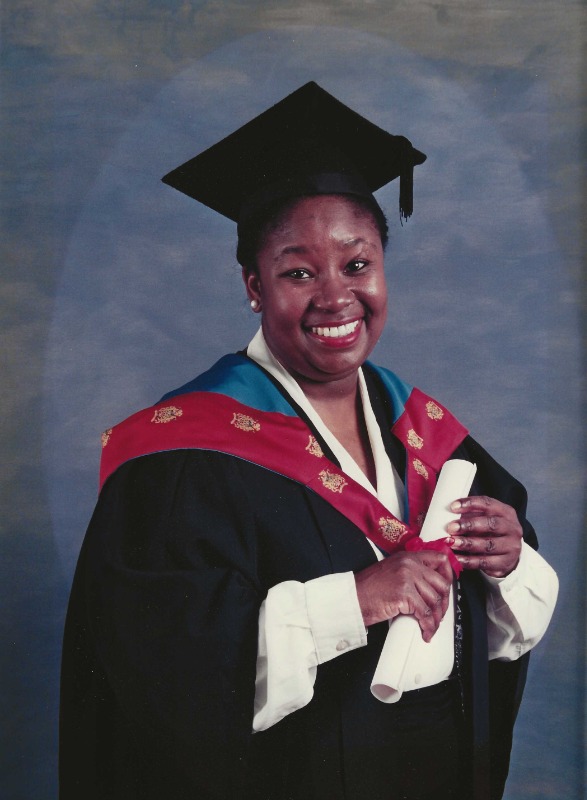
Dorothy Stewart
“I always wanted to be a nurse because I had an instinct to care for people and I did whatever it took to become one. I was a midwife for a number of years because I really loved that, that was my forte,” she said.
“If you look at that generation and all their hard work it shows how committed they were. I started as an enrolled nurse and worked my way up through the system. I went to night school to acquire additional educational qualifications that allowed me to progress. We fulfilled a need within the NHS and the patients gradually got used to the fact that these nurses were special and really enjoyed their work.”
Adora said: “I have heard stories from nurses who trained before me, but I can honestly say I did not face any racial prejudice or harassment during my career. Sure, I know it was out there but it was more covert, or maybe I’m just thick skinned. I think by this time the general population had more sense.
“Yes, the training was fierce, and the matron and senior staff were hard taskmasters but this was directed at everyone. Some patients could be aggressive and rude but I only experienced the same as the rest of my colleagues. Nursing was my childhood dream and I can honestly say that I really enjoyed my career.”
The ‘Legacies of the Leeds Windrush Generation’ project is funded with a grant from the Government’s Windrush Day Grant Scheme.
Jamaica Society Leeds member Melody Walker said: “Jamaica Society Leeds is hosting this event to honour and celebrate the work and initiatives of the Windrush Generation nurses in Leeds. It isn’t just about their contribution to the NHS, but also their activism in getting the wider health sector and working medical professionals to take health conditions which affect people of Caribbean and African descent living in the UK seriously.
“We want to celebrate the pioneering work of this generation of inspiring nurses and the impact it had, and to honour this history as we celebrate Windrush Day 2024.”
https://www.ticketsource.co.uk/jamaicasocietyleeds/t-pqvzajv
For more information visit https://www.jamaicasocietyleeds.co.uk/windrush-2024/
The shortened address for this article is: newspub.uk/01q7m