



search
date/time

Fri, 1:00AM
clear sky
10.9°C
S 7mph
clear sky
10.9°C
S 7mph
 | Sunrise | 6:05AM |
| Sunset | 5:42PM |  |
P.ublished 1st October 2026
frontpage
Why The North’s Over 50s Are Building The Social Enterprises Their Communities Need

Image by Gerd Altmann from Pixabay
This feels particularly relevant in the North of England, where there is a long history of community-led enterprise, from the cooperative movement that developed across Northern towns and cities to the social enterprises operating across the region today.
Places including Newcastle, Gateshead, Sunderland and Durham are recognised by Social Enterprise UK as Social Enterprise Places, alongside communities such as Sheffield, Salford, Stockport, Wigan and Oldham. Together, they reflect the scale and variety of social enterprise activity across the North.
Yet when we think about who is creating these organisations, we don't always think about people later in their working lives.
In 2023, nearly half of self-employed people in the UK were over 50. But my research has found that people in their fifties, sixties and beyond are turning to social entrepreneurship as well as conventional entrepreneurship. So why might later working life be such a significant point for this kind of enterprise?
Seeing opportunities close to home
My research into social entrepreneurship in later working life, published in the International Small Business Journal and International Journal of Entrepreneurial Behavior and Research under the title Starting Up, Not Slowing Down, found that later-life social entrepreneurs can be particularly active in identifying and pursuing opportunities to create social value.
My work with entrepreneurs through the Help to Grow: Management Course has revealed similar examples of people drawing on decades of experience to address problems they have encountered in their communities and working lives.
This experience can be particularly valuable when a venture is rooted in a specific place. Across the North, people have spent decades working in sectors including health, education, retail, housing, manufacturing and professional services. They may have seen the same local problems repeatedly, built relationships with organisations trying to address them and developed an understanding of where services or support are missing.
Someone who has spent their career working in housing, for example, may recognise a need for a new community service. Someone from education may see an opportunity to support young people who are falling through existing gaps. A former healthcare professional may identify a way to improve access to support for a particular group.
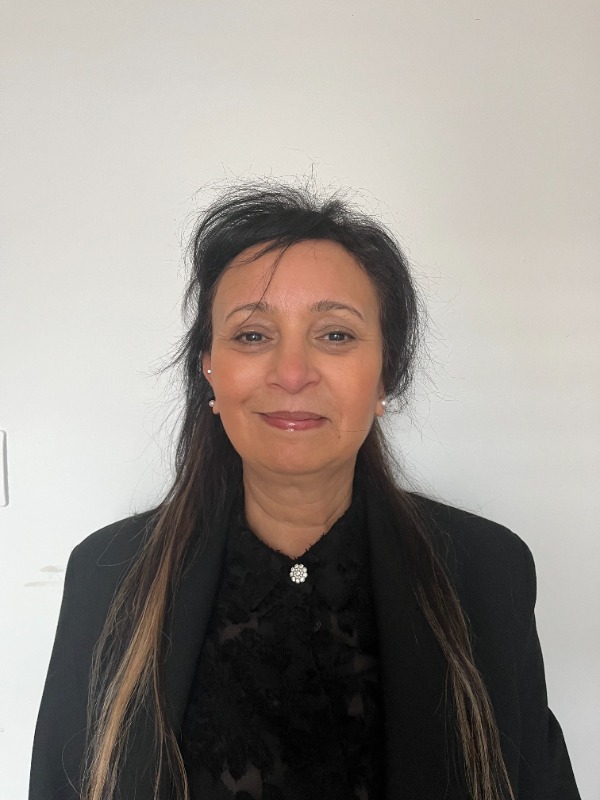
Dr Zeineb Djebali
One of the clearest advantages later-life social entrepreneurs can bring is experience. By this stage of working life, many founders have accumulated professional knowledge, management capability and relationships that can become valuable entrepreneurial assets. I think of this as an “experience premium”: a combination of sector knowledge, credibility, confidence and established networks.
This can be particularly useful for social enterprises, which often have to work across different organisations and interests. A project might involve a local authority, health provider, school, charity, business and community group, while also needing to remain financially viable. For someone who has spent decades managing teams, solving operational problems or working through institutional processes, this complexity may be familiar.
Experience can also help when things don't go according to plan. Later-life founders may already have dealt with career changes, organisational restructures, difficult decisions and professional setbacks. That doesn't remove the risks involved in starting something new, but it can give founders a broader set of experiences to draw on when a new venture encounters challenges.
Turning professional experience towards local problems
For many people over 50, starting a business or social enterprise can also follow a reassessment of what they want their working life to achieve. After decades in employment, priorities can change. Professional expertise can be redirected towards issues that someone has encountered personally or witnessed through their work. That might mean improving access to a service, supporting a particular group, creating employment opportunities or responding to a problem in a local community.
For someone in later working life, entrepreneurship can therefore represent less of a blank-sheet exercise and more of a continuation of what they already know - applied in a different context.
Who is building what’s on our doorstep?
The theme of this year's International Day of Older People is ‘what’s on your doorstep’ – encouraging us to think about the local spaces, services and connections that help people live well in their communities. Across the North, many of those services are supported or created by social enterprises and community organisations. And behind some of them will be people who spent decades developing the knowledge, relationships and confidence that eventually enabled them to start something of their own.
When we ask what is on our doorstep, we should also ask who saw the need for it in the first place. From the North East to Yorkshire and across the North West, there are people using enterprise to respond to local challenges. Some are doing this earlier in their careers; others are starting later, drawing on decades of experience. And for communities across the North, that experience can be an important resource.
To find out more about the Help to Grow: Management Course, visit: https://smallbusinesscharter.org/help-to-grow-management/course
The shortened address for this article is: newspub.uk/0214c