



search
date/time

Sat, 10:00PM
scattered clouds
15.8°C
7mph
scattered clouds
15.8°C
7mph
 | Sunrise | 3:55AM |
| Sunset | 8:25PM |  |
P.ublished 14th July 2026
business
UK-Switzerland Free Trade Agreement To Deliver New Opportunities For UK Food And Drink Exporters
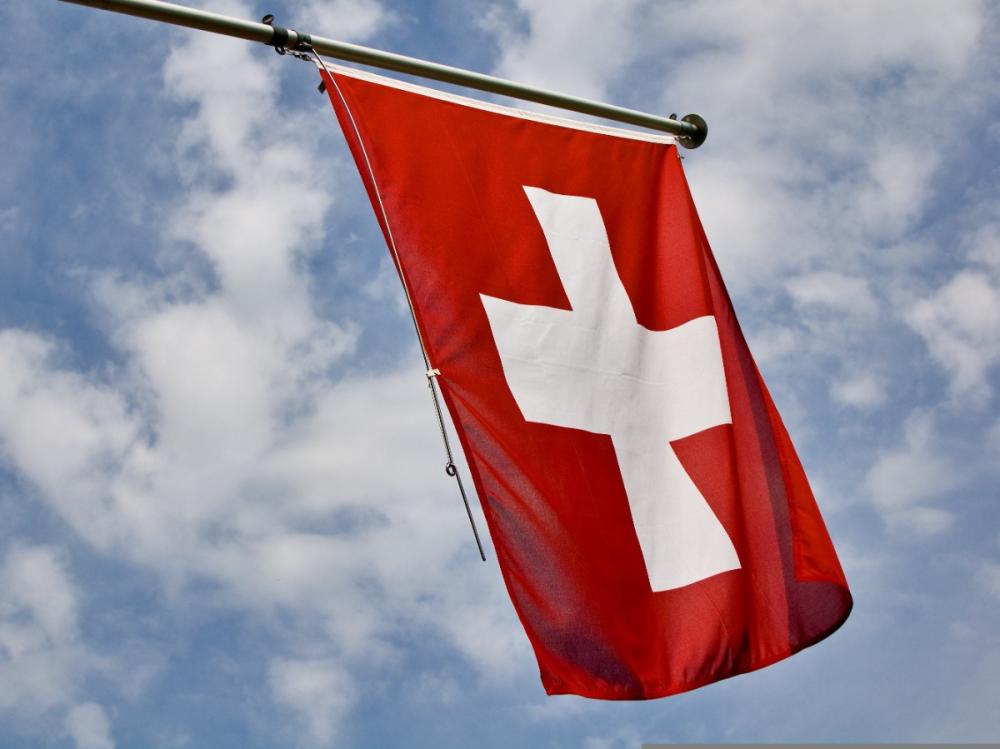
Image by Loyloy Thal from Pixabay
The deal, unveiled this week, also delivers reduced tariffs for British beef, dairy and English sparkling wine, opening further ground in a market already worth £195 million a year to British food and drink exporters, based on 2019–22 figures.
Switzerland has long been regarded as one of the world's most heavily protected agricultural markets, with import duties on meat and dairy running far above those levied on most other goods. Negotiators nonetheless secured a package that campaigners for UK farming say strikes a genuine balance: valuable new openings for exporters of lamb, selected beef cuts and dairy products, while leaving pork, poultry and eggs untouched to shield domestic producers from fresh competition.
Under the new terms, British lamb will enter Switzerland's quota entirely tariff-free for the first time, a change ministers regard as a significant win for one of the UK's flagship farming sectors. High-quality UK beef steaks will benefit from a 35 per cent tariff reduction under the same quota regime, giving British lamb in particular a competitive edge over rivals such as the EU, Australia and New Zealand, which continue to face standard Swiss tariffs.
Dairy exporters stand to gain too, with tariffs on products such as milk powder cut by up to 50 per cent, building on the sector's existing tariff-free access for cheese. The concession is not without a trade-off: in return, the UK has offered only limited access on certain dairy lines of its own.
Fruit and vegetable growers have also secured improved seasonal access to the Swiss market, with tariffs falling to as low as zero on a range of produce including peas, carrots and broad beans. English sparkling wine producers, meanwhile, will receive a 34 per cent tariff reduction — said to be Switzerland's best preferential treatment on sparkling wine anywhere — opening further ground for British winegrowers.
The agreement also extends protection for British regional food and drink branding. Subject to Swiss processes, a further 28 UK Geographical Indications will gain protection in Switzerland, including Traditional Welsh Caerphilly and Ayrshire New Potatoes, adding to the 66 GIs already safeguarded under the existing UK-Switzerland Agriculture Agreement. Ministers describe the move as a step towards protecting the UK's full GI register in the Swiss market, safeguarding the heritage and reputation of regional produce and the local economies built around it.
A new chapter on sanitary and phytosanitary (SPS) measures is also included, intended to smooth trade through faster information-sharing between the two countries, reduced red tape at the border and quicker resolution of trade disputes.
Environment Secretary Emma Reynolds said the agreement gave British producers "a real competitive edge" without compromising standards or farmers' interests, pointing to the scale of the existing Swiss market and the further headroom the deal creates.
The National Farmers' Union welcomed the outcome. NFU President Tom Bradshaw described it as a well-balanced agreement, noting that competitive access to the Swiss market was something the union had pushed for since talks began. He said the deal opened up genuine opportunities across the beef, lamb, dairy and viticulture sectors, while offering assurance to UK consumers that Swiss imports would continue to meet high production standards.
The agreement extends beyond agriculture. A separate services-focused element of the enhanced UK-Switzerland FTA is also expected to benefit British business more broadly. Emma Rowland, Trade Policy Adviser at the Institute of Directors, said the deal played to the UK's strengths in services, highlighting easier market access for business leaders, including mutual recognition of professional qualifications and support for visa-free travel. She said barriers to business mobility had long been a pain point for firms operating internationally, particularly across Europe, and that the agreement could set a template for how the UK works with future trading partners.
Switzerland sits outside the European Union but within the European Free Trade Area, meaning EU exporters have traditionally enjoyed easier access to Swiss shelves than their UK counterparts. The new terms are intended to narrow that gap across the board.
.