



search
date/time

Fri, 4:00PM
overcast clouds
15.9°C
W 10mph
overcast clouds
15.9°C
W 10mph
 | Sunrise | 5:54AM |
| Sunset | 5:57PM |  |
P.ublished 5th October 2024
frontpage
Three Ways For First Time Buyers To Get On The Property Ladder
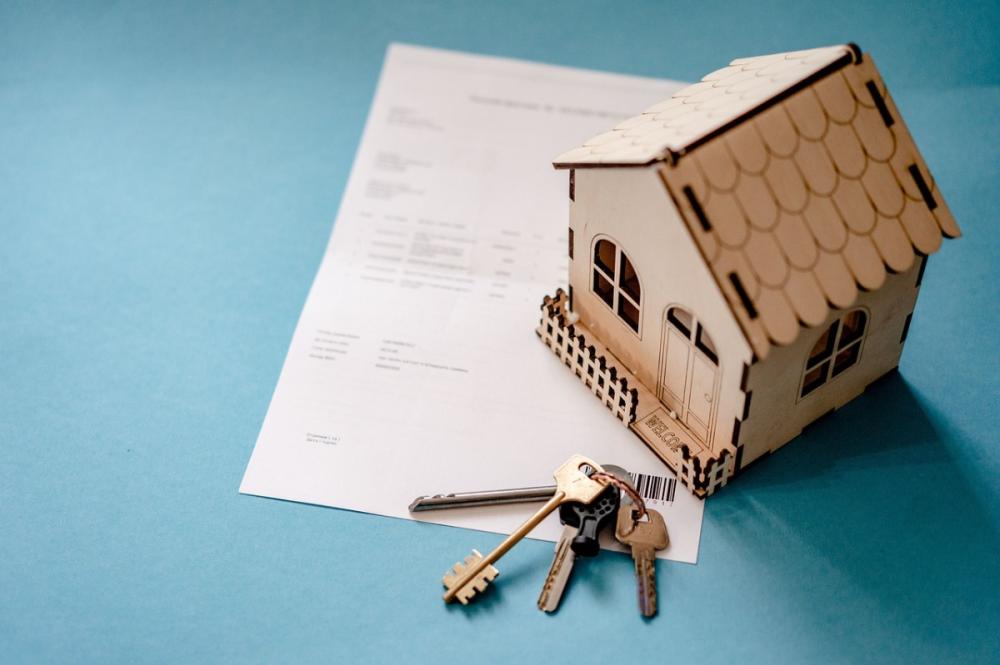
Image by Oleksandr Pidvalnyi from Pixabay
However, Stephanie Thayer a Mortgage Adviser at Progeny, writes there are a number of things that first time buyers can do to help get their foot on the property ladder.
Consider Government schemes
There are currently a couple of government schemes aimed at helping those who otherwise couldn’t afford to buy a home.
First time buyers can apply for the Shared Ownership scheme, if they cannot afford the deposit and mortgage payments for a home that meets their needs, and their household income is £80,000 a year or less (£90,000 a year or less in London).
This allows them to buy a share of a property (usually between 25-75%) and then pay a controlled rent to a landlord for the portion they do not own (usually a housing association or a local council).
In England, the minimum deposit is 5% of the share they are purchasing, and as they are only purchasing a share of the property, the deposit and mortgage required will be considerably reduced.
However, they do also need to factor in the monthly rental cost and any monthly service charge for the maintenance of communal areas. Shared owners also have the ability to purchase more shares in their home over time, known as ‘staircasing’ until they own 100%, so this scheme can offer a good way to move gradually towards full ownership.
Launched in 2021, First Homes is a first time buyers scheme offering new build homes at a discount of at least a 30% discount on the market value.
This scheme is only available in England and to qualify, the buyer(s) cannot collectively earn more than £80,000 a year before tax (£90,000 in London) and need a minimum deposit of 5% of the discounted price.
Buyers can arrange a mortgage for the rest, with the caveat that they must be able to get a loan for at least half the price of the home, but unlike the Shared Ownership scheme, there is no rent to pay. When it comes to selling the property however, it can only be bought by someone eligible for the First Homes scheme and the seller must pass on the same percentage discount that they originally received.

Image by Tung Lam from Pixabay
Asking family for help is common and the ‘Bank of Family’ is expected to help fund 42% of UK property purchases made by those under 55 this year, according to research.
However, a lump sum is simply not feasible for many and for those family members who would be willing to help fund in another manner, some lenders now offer Joint Borrower, Sole Proprietor mortgages.
This is a mortgage where not all parties to the mortgage are legal owners of the property - for example, there will be two mortgage borrowers but only one will be named on the title of the property.
The benefit is that the family member can add their income into the mortgage application which will boost affordability, but as they won’t own the property they will not have any Stamp Duty liability (if they already own another property). It is important that the non-proprietor takes independent legal advice before committing to this type of mortgage however.
.jpg)
Progeny's Stephanie Thayer
Purchasing as a single person with one income can be a challenge in terms of affordability but 46% of first time buyers now consider buying with a friend or sibling to make a mortgage more affordable.
Most lenders allow this without any additional restrictions and some even let up to four people take out a mortgage together. The First Homes Scheme also allows for multiple applicants. It is important that all parties take professional advice to draw up a legal agreement however, especially if they are inputting an unequal amount of deposit or making differing mortgage repayments.
Lengthen the mortgage term
As house prices have continued to rise over the decades, mortgage lenders have adapted accordingly, and criteria have been changed to allow longer mortgage terms. Many lenders now allow a term of up to 40 years, depending on the applicant’s age.
A longer mortgage term can be helpful for first time buyers as it reduces the size of the monthly payment, but this needs to be set against paying more interest overall.
A borrower can amend the term at various points during the life of their mortgage, however, so this can be used as a shorter term measure to boost affordability in those early years.
In summary, there is no magic formula when it comes to affording a first home but there are a number of things that can help to make a difference. Speaking to an experienced mortgage adviser will help to ensure that first time buyers consider all the relevant options for their circumstances, which could make all the difference to their home-owning journey.
The shortened address for this article is: newspub.uk/01rsm