


search
date/time

Sat, 10:00AM
overcast clouds
7.5°C
S 8mph
overcast clouds
7.5°C
S 8mph
 | Sunrise | 6:48AM |
| Sunset | 4:48PM |  |

Ian Garner
Business Writer
P.ublished 24th October 2026
business
The Leadership Traits That Matter Most In 2026
Image by Gerd Altmann from Pixabay
While strong management fundamentals still matter, modern leadership increasingly revolves around adaptability, emotional intelligence, strategic clarity and a commitment to continuous learning. These traits help leaders guide organisations through complexity while keeping teams motivated and engaged.
Few characteristics are more valuable today than adaptability. The modern business environment shifts rapidly, driven by developments such as artificial intelligence, automation and new ways of working. Leaders who succeed are those willing to adjust their thinking, challenge existing assumptions and adopt new tools when circumstances demand it.
Organisations can no longer rely on rigid long-term plans alone; leaders must be prepared to pivot quickly when market conditions change. Whether responding to economic volatility, supply chain disruptions or evolving customer expectations, agility allows businesses to remain competitive and resilient.
Adaptability is not just about reacting to change. It also involves creating a culture where experimentation is encouraged and teams feel confident trying new approaches without fear of failure.
Emotional intelligence has moved firmly into the category of essential leadership skills.
Leaders who understand their own emotions and those of the people around them are far better equipped to build trust and motivate their teams.
This capability becomes particularly important in hybrid and remote working environments, where maintaining connection requires greater intentional effort. Leaders with strong emotional intelligence communicate clearly, listen actively and recognise the needs of individuals within their teams.
They are also better at managing conflict and navigating difficult conversations. By demonstrating empathy and self-awareness, emotionally intelligent leaders create environments where people feel valued, supported and motivated to contribute their best work.

Image by WOKANDAPIX from Pixabay
Strategic thinking turns that vision into action. It involves setting clear priorities, aligning resources and developing practical plans that move the organisation toward its goals. In 2026, this balance between ambition and realism is particularly important. Bold ideas must be grounded in operational capability and aligned with the organisation’s broader mission and values.
Equally critical is communication. Leaders who can clearly articulate where the organisation is heading, and why, are far more likely to bring employees, partners and stakeholders along with them.
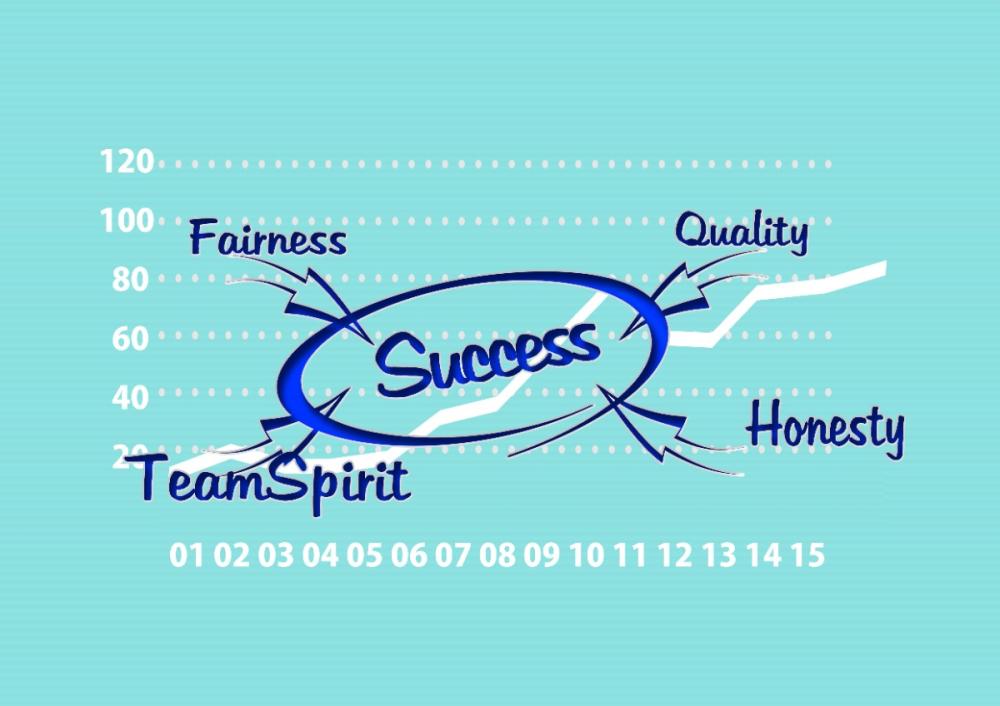
Image by Gerd Altmann from Pixabay
Resilience is closely connected with integrity. In an era of heightened transparency and social accountability, leaders are expected to operate with honesty and strong ethical standards. Consistent, principled behaviour builds credibility with employees, customers and investors alike.
When leaders demonstrate integrity, especially during challenging periods, they strengthen trust and reinforce the organisation’s culture.

Image: Markus Winkler on PExels
Partnerships with other organisations, communities and stakeholders are increasingly important in solving complex challenges. Leaders who encourage collaboration unlock new opportunities for innovation and growth.
The most effective leaders recognise that learning never stops. Industries are evolving rapidly, and yesterday’s expertise may not be enough to solve tomorrow’s problems.
Curious leaders ask questions, seek feedback and remain open to new ideas. They invest in their own development and encourage their teams to do the same. This mindset keeps organisations informed about emerging trends, new technologies and changing regulations.
More importantly, it signals that growth and improvement are part of the organisation’s culture.

Also by Ian Garner...
Why Corporate Culture Is Now A Competitive AdvantageStanding Your Ground, Handling A Workplace Bully With ConfidenceHubris, The Subtle Risk In Entrepreneurial AchievementWhy Resistance To New Technology Is Nothing New And What It Means For Your BusinessThe New Reality Of Work, Knowing When It’s Time To Move OnThe shortened address for this article is: newspub.uk/021dw