



search
date/time

Sat, 7:00AM
scattered clouds
16.4°C
SSW 6mph
scattered clouds
16.4°C
SSW 6mph
 | Sunrise | 5:07AM |
| Sunset | 7:04PM |  |
P.ublished 29th August 2026
family
The Impact Of Maternity Service Controversies On Mothers-To-Be
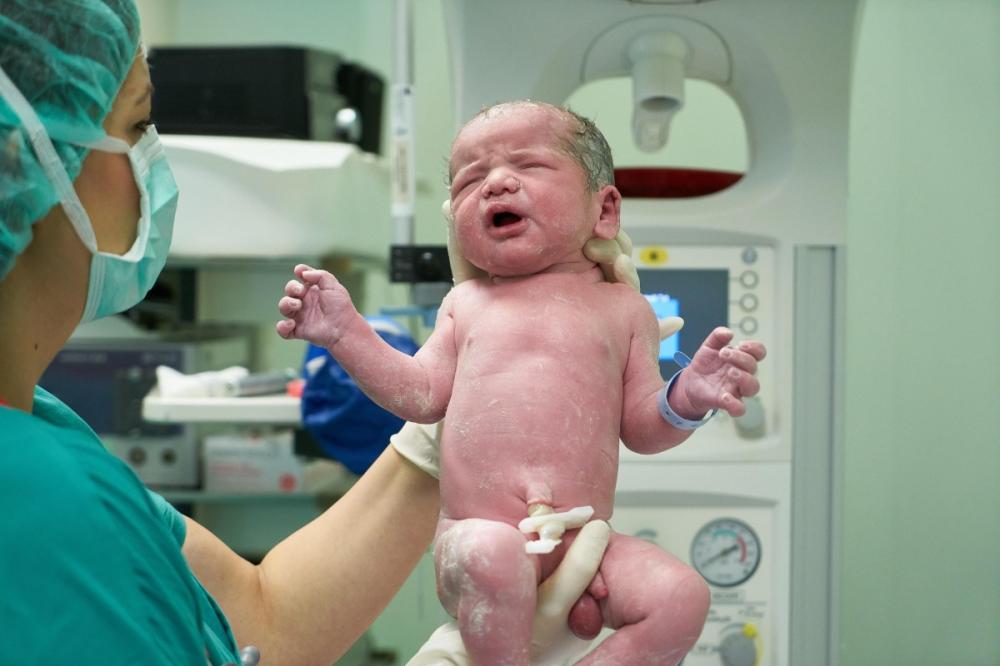
Media reports about the state of NHS maternity care in recent years have been hard to ignore. Numerous national inquiries have described a service where users are not listened to, heard or believed and in which there is institutionalised racism, prejudice, discrimination and inequality. Frontline staff are frequently described as unskilled, uncaring, unmotivated, overwhelmed and unable to raise safety concerns. And insufficient equipment, crumbling infrastructure and poor leadership add to these problems.
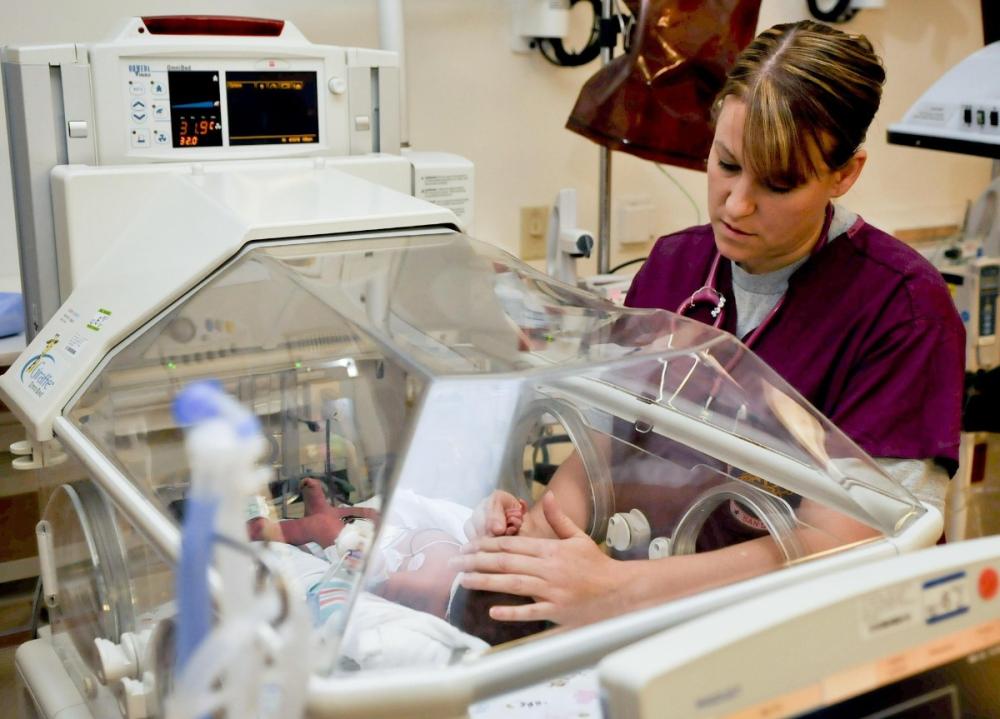
It is not surprising therefore that many parents have reservations about the quality of the service they are to engage with right from the outset. Unlike previous generations—who relied on midwives or charitable organisations for advice and support—many now turn to the online world of blogs, chat rooms, websites, and personal anecdotes available 24 hours a day. Parents can easily be led down unhelpful rabbit holes.
Even for the most discerning search engine or AI user, distilling useful information from misinformation and disinformation becomes almost impossible. Of course, there are plenty of NHS-ratified information sources, but these are dull and non-interactive, quoting facts and figures and using phrases like “evidence-based practice” or “standardised care” which, for many, can sound over-medicalised and too one-size-fits-all for their liking.
Many mothers will align themselves with so-called “natural” birthing philosophies that promise them the perfect birthing experience, while others—troubled by anecdotal accounts of labours that have “gone wrong”—request delivery by elective Caesarean section. The “natural birth” group frequently overlook data suggesting that transfer rates for mothers labouring at home or in a birth centre are over 40% in most units. Those opting for an elective Caesarean section often underestimate the post-operative recovery time needed.
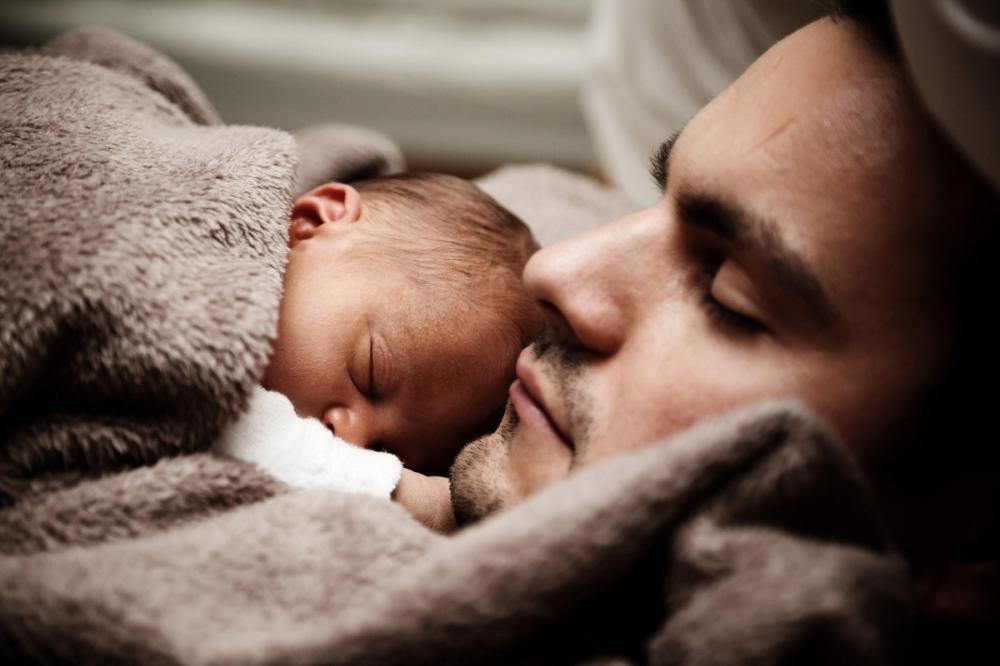
Many dilemmas faced by mothers and families today relate to use of technology and the interventions that inevitably come with a high-tech model of care. Take, for example, ultrasound examination of the fetus. Everyone is delighted to “see” the fetus, “hear” the heartbeat or have the gender of the baby revealed, but few are prepared for the conversations that might follow if all is not well: perhaps the possibility of a genetic syndrome or brain abnormality; or the postnatal care pathway for a baby with a heart defect; or the recommendation for preterm delivery of a fetus that has not grown as expected. Such findings are often met with disbelief, dismay or disappointment and increasingly parents request second opinions.
Even if the antenatal course proceeds uneventfully, labour can present another set of tech-related problems. It is widely recognised that continuous electronic fetal heart rate monitoring in labour increases the chance of interventions such as instrumental vaginal delivery or Caesarean section, so some mothers will opt for intermittent monitoring instead, but then appear surprised when their babies are born with low oxygen levels and need admission to the Special Care Baby Unit despite signing up to a model of care where the fetus is effectively unmonitored for much of the time.
In an attempt to convince mothers that they can have their cake and eat it, most clinical guidelines and protocols are written in a way that allows significant latitude in interpretation aimed at avoiding so-called “unnecessary” intervention. But is this approach really feasible? To answer that we must try to tackle another controversy, one related to risk perception and risk tolerance.

Historical maternal mortality and stillbirth data make for sombre reading and reflect the stark realities of what “natural” or un-intervened pregnancy and birth was like in the pre-tech era. These outcomes occur even today in countries and communities with very underdeveloped healthcare systems, something easily forgotten in high-income countries. Society accepted that many mothers and infants died and that good outcomes were little more than good fortune. But as laboratory facilities, screening programs and better imaging techniques were developed, expectations rose. Today poor outcomes are perceived as something that can be mitigated and society has become increasingly intolerant of failure.
Indeed, the modern-day maternity service is expected to investigate, explain and compensate for any imperfect outcome. The historical quest—merely to survive pregnancy—is now taken for granted and modern narratives focus primarily on the pregnancy and birthing experience. This presents mothers and families with the greatest controversy of all – how to square this zero-tolerance approach with the belief that pregnancy and childbirth are essentially physiological processes where most interventions are at best unnecessary and at worst can cause harm.
When expectations and reality collide
We know from inquiries focusing on the accounts of harmed and bereaved parents that many parents will claim their baby could have been saved by earlier admission, more monitoring, more tests, more scans or earlier delivery. The low-tech, hands-off approach that mothers were encouraged to believe in prior to the tragic outcome is rarely put under the spotlight.
The focus now becomes the quality of care provided by frontline staff who are often vilified for their failings even though many feel unable to challenge inappropriate choices for fear of accusations of not listening, overruling or coercion.
In the current climate there is a huge disconnect between what mothers and families expect of the service and what it is set up to provide. Recent data suggests that 4–5% of mothers are left traumatised by their birthing experience and typically the blame is laid at the feet of frontline staff although clearly other factors play their part. It is interesting to consider why previous generations, whose clinical outcomes were objectively worse, did not report such high levels of subjective dissatisfaction. And whilst the service could unquestionably do better, perhaps another dimension to this debate is whether mothers and families have realistic and achievable expectations.

Dr. Lorin Lakasing
Web: https://lorinlakasing.com/publications.html
Amazon: https://amzn.eu/d/g1dX9rh
The shortened address for this article is: newspub.uk/020q7
Search Results