search
date/time
 | Yorkshire Times Weekend Edition |
P.ublished 31st January 2026
nature
Royal Horticultural Society (Rhs) Shares Its February Gardening Advice
The RHS shares its advice for gardeners who want to get ahead this month, including how to ready lawns and the vegetables to grow now
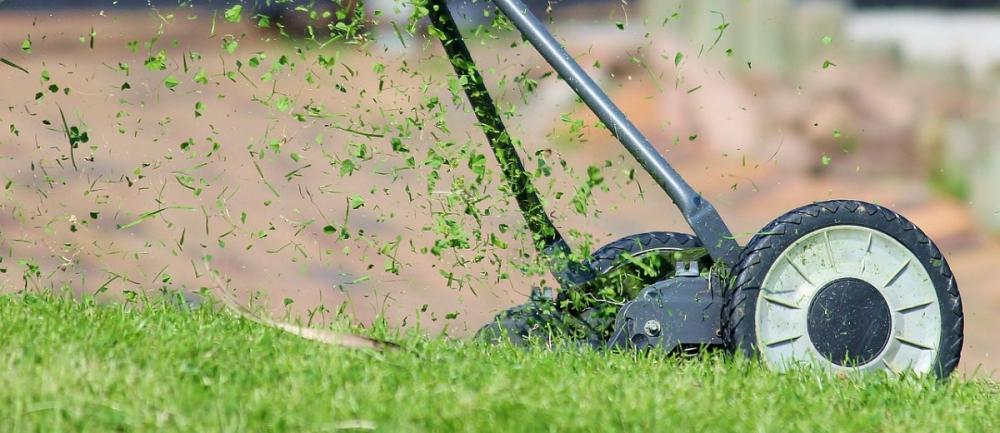
Image by Ulrike Mai from Pixabay
Gardeners don’t expect much in winter but there is not much to be dissatisfied over in recent weeks.
Recent rainfall has recharged the soil water levels after they hit a low point in the very hot, dry summer last year. There is still some winter left and therefore time to add more water butts to capture and store rainfall.
Cold, dry weather is ideal for getting on with winter pruning, clearing spent crops and getting the garden ready for sowing and planting from March. There will almost certainly be further dry spells and being ready to take advantage of these with mulch ready to spread, sharp tools for pruning and where digging is practised spades and forks handy.
No one can say if we will have favourable weather in March and April so don’t be tied by the calendar. If opportunity presents itself now to, say, lift and divide perennials go ahead and get it done.
On those wet days when outdoor gardening is not feasible, get the greenhouse and shed cleaned, sowing compost and labels on hand and pots and trays clean and dry - sowing indoors starts in February. In this case definitely follow the calendar. Seedlings need plenty of light to thrive and many suffer from cold. It takes six weeks for a good transplant to grow and starting early means they will be ready in March when it is too early to plant them outside and they will get cramped and be spoiled if they get too crowded and overgrown indoors.
"Lawns are hard to love in winter particularly now when rain has returned, making lawns muddy and sad. There is nothing that can be done about lawns until they dry out, but with brighter albeit colder weather forecast and spring just around the corner be ready to show your lawn a little love,” says Guy.
Grass grows at quite low temperatures, as low as 4C, so lawns start into growth early compared to most plants, especially in the south and west. Light frequent mowing, when the soil is dry enough, is better than one severe mow later. Where the grass is ready to cut, and much of it after the mild autumn, cut gradually, removing no more than 5cm at a time to avoid stressing the grass. Winter light levels are very low and grass needs some leaf to feed its roots. Frequent mowing also allows the clippings to fall into the sward and act as fertiliser. There won’t be enough warmth and light for expensive lawn fertilisers to be useful until mid-February.
The same applies to moss. Moss is also widespread in lawns after the wet, mild autumn, and a good remedy is to rake out the worst when the soil is dry enough. Leave it piled up nearby so birds can gather it for nest making, which will start soon. Grass is beginning to grow and will fill in gaps left where the moss has been removed.
Happily, weeds in general grow less well in winter than grass so they will be under pressure as grass slowly edges into growth. Weeds are actually good for wildlife so a weed-free lawn is not wholly desirable. All the same, dig some weeds out where they have spread during the very dry spells last summer, when grass, being shallow rooted, was less competitive to ensure an equal footing.
Where you can get hold of turves or can cut them from other areas of the garden you can repair any bare patches. For economy, even sections of turf and clumps of grass taken when edging lawns can be planted and will gradually spread over summer.
Trimming lawn edges, which are often unruly after the mild autumn, with a half-moon edging iron or flat-bladed spade makes a surprising difference to the lawn’s looks and reduces the busy spring workload. Use planks to work from if the lawn is on the soggy side.
Onions and garlic
Picture: Pixabay
“Forlorn vegetable growers gazing sadly at their weather-beaten plots might be forgiven for putting all gardening thoughts on hold until Easter. But take heart, there are some wintery shortcuts that might cheer them up and get crops going early. No one can say if we will have another hot dry summer, but if we do early crops can do much growing until at least August while the soil remains moist from winter rains,” observes Guy.
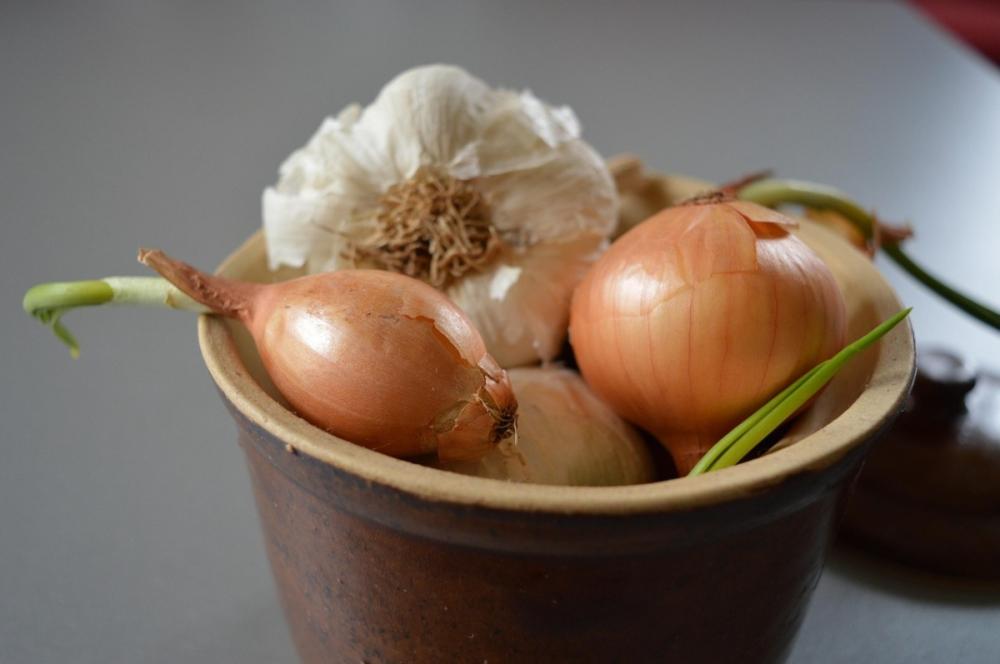
Onion sets: Standard onion sets can be planted as soon as the soil is dry enough in February. Place them just below the surface with the tip just showing. Birds can tug them up, but a covering of biodegradable horticultural fleece or insect-proof mesh prevents bird interference and gives the crop a mild boost. Be warned, don’t use red onion sets or heat treated ones as these are very prone to premature flowering if planted before April.
Asparagus crowns: Crowns are dormant plants usually a year old, easily held in the palm of your hand. Asparagus is one of the few vegetables to crop in April, May and early June, so plant as much as you can. The downside is that you should ideally delay cutting until the crowns have been growing for two years after planting.
Potatoes: Seed potatoes are on sale now. Buying early and placing the tuber’s rose end uppermost in an egg tray and leaving in a cool but not cold bright place induces new shoots, a process called chitting. This ‘ages’ the tubers so the resulting plants after planting mature early. This is ideal for getting early potatoes as soon as possible, but is even worthwhile for maincrop spuds so they mature before blight disease arrives in early autumn.
Garlic bulbs: Available for planting now, garlic needs a period of cold after planting to make good bulbs aim to plant as early as feasible. Plant as you would onion sets.
Artichokes: Root vegetable artichokes here. Jerusalem artichoke roots are planted now. Being an acquired taste a square metre is enough for most people. Chinese artichokes are a less usual choice - they make finger sized coiled white roots with a nutty flavour.
Plan your plug plant purchases:
“Raising plants for early planting or if they are tender takes up much frost free space from February until April which is in short supply in most gardens with limited windows and conservatories. Heating your greenhouse is expensive in winter. A more viable alternative is to buy plants but these can be expensive. Little plug plants with thumb-sized root systems are more cost effective,” says Guy.
There is still time to order plugs for May delivery which is ideal for many outdoor crops. Get plants in 9cm pots in April from garden centres for greenhouse crops as plugs will be too late for best results.
Plugs to think about now are tender crops for outdoors in sheltered gardens in the south and under cloches and biodegradable or recycled fleece in the north; aubergines, courgettes, cucumbers, peppers, squash, sweetcorn and tomatoes. Stick to seeds for peas and beans - you get few pods per plant so it is not economical to buy the large number of plants needed for a decent plateful. Also these crops have large seeds that lead to quick growing large plants sown direct in the soil. Carrots and parsnips are highly unlikely to produce useful roots when transplanted and are best sown where they are to grow.
Other crops that make sensible buys for May delivery include brussels sprouts, cabbage, calabrese, cauliflowers, celeriac, celery, herbs, ‘kalettes’, leeks, lettuce and stem broccoli. Plug raised beetroot, chard, lettuce, radish and rocket are very easy to raise from seed but plugs are available if preferred. Order kales and purple sprouting broccoli plugs for June delivery.
RHS members benefit from personalised email and telephone advice with advice, including ChatBotanist, also available to RHS Grow app users.
The RHS website also provides seasonal care and maintenance guides covering plants, planting and problems.