



search
date/time

Thu, 1:00PM
overcast clouds
11.4°C
S 9mph
overcast clouds
11.4°C
S 9mph
 | Sunrise | 4:16AM |
| Sunset | 7:45PM |  |
P.ublished 7th May 2026
frontpage
Over 100k Pain Passes Aid Women’s Health Conversations Where ChatGPT Fails
The research, released in Nurofen’s fourth annual Gender Pain Gap Index Report, finds that more than half of women (53%) have had their pain ignored or dismissed, but the burden falls hardest on younger women. Nearly three quarters (73%) of women aged 18-24 felt their pain was ignored or dismissed, almost double the rate of women over 55 (40%).
The impact is significant. Among women who experienced dismissal, nearly half (46%) reported becoming reluctant to seek help again and more than a third (35%) said their trust in the medical system had been impacted.
When dismissed, women don’t stop looking for answers – they look in the wrong places. Three in four (74%) women who felt their pain was dismissed sought help from alternative sources, with 91% acting on the advice they found. One in five (21%) asked AI, like ChatGPT, for health information, despite documented accuracy concerns1, while a third (35%) agreed social media has made them question their doctor’s advice.
Half (49%) of women aged 18-34 sought help online after being dismissed, compared to just one in five (19%) of those over 65.
Against this backdrop and in the context where the Government’s updated Women’s Health Strategy acknowledged the impact of medical misogyny, Nurofen’s Pain Pass has become an important aid for thousands of women. The free tool, co-created with women living with chronic pain and healthcare professionals, helps women track and describe their symptoms so they can have more productive conversations with their doctor. Since launch, over 100,000 physical and digital copies of the Pass have been distributed and downloaded across the UK.

Charlotte Marianne
My message to any woman going through this is: believe in yourself, you know your body, and you know yourself. Using Nurofen’s Pain Pass helped me put into words what I’d been struggling to describe. I took it to my next appointment and for the first time, I felt like my GP actually understood what I was going through. It completely changed the conversation."
The Gender Pain Gap is a long-standing equality issue affecting women and girls. When more than half of British women continue to feel their pain is dismissed and millions are resorting to unverified sources for health advice, we're seeing a systemic problem at play. Having our pain minimised affects our wellbeing, our worth and our health outcomes.
The government's renewed Women's Health Strategy is a welcome step, but policy must be met with action and wider societal change: we need everyone from the NHS to brands to employers to confront this issue and make improvements in the way women are supported. Nurofen’s Pain Pass is an example of a tool that provides women with practical support to communicate their pain. We need much more innovation and education throughout the health system; women are living with the daily consequences of not being heard.
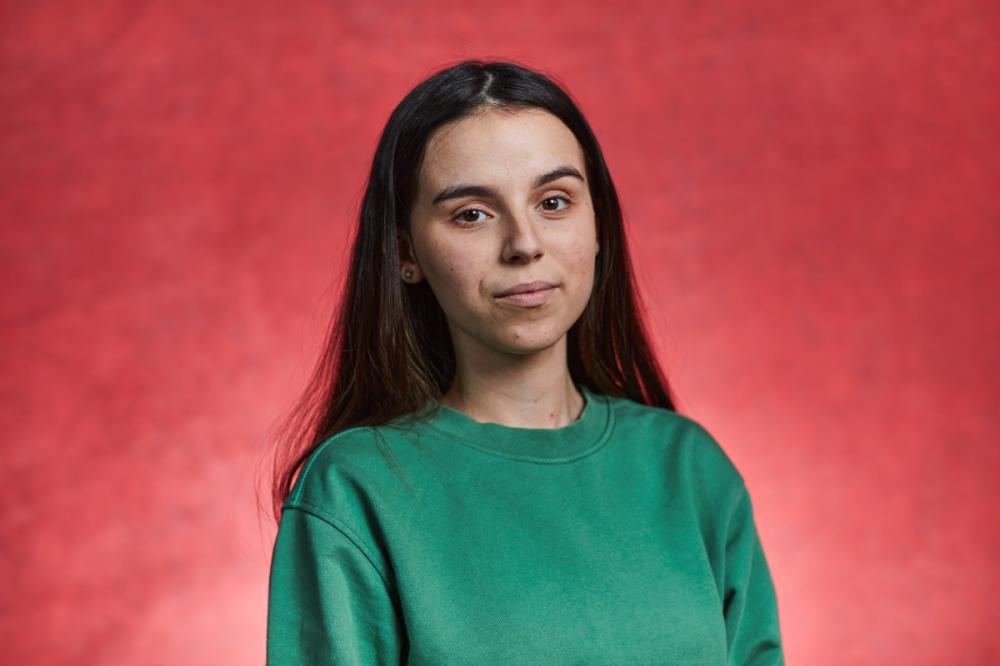
Chloe-Elizabeth Elliott
unity-based support with two new measures: making Pain Pass available to more women across the UK, and training 10,000 Boots pharmacists to recognise and respond to gender pain dismissal, creating trusted, accessible touchpoints for women in the places they already frequent.
This approach supports the NHS 10-year plan’s emphasis on care in the community, meeting women where they are at a time when unregulated health information is more prevalent than ever.
A productive conversation between a patient and their doctor can be the single most important step on the path to diagnosis. If, for whatever reason, the communication breaks down, women face delays in getting the answers they need.
That's why tools like the Pain Pass matter. Over 100,000 downloads and distributions tell us women want support that helps them communicate and find a path forward within the healthcare system, not seek alternatives outside it. By training 10,000 pharmacists and putting Nurofen’s Pain Pass into more women's hands, we're investing in those conversations, making sure they happen earlier, in the right places, and lead to the better outcomes women deserve.