



search
date/time

Sat, 7:00AM
scattered clouds
9.7°C
S 4mph
scattered clouds
9.7°C
S 4mph
 | Sunrise | 4:29AM |
| Sunset | 7:50PM |  |
P.ublished 8th August 2026
nature
How To Keep Your Garden Thriving In August
British Garden Centres' Guide To Hot, Dry Days
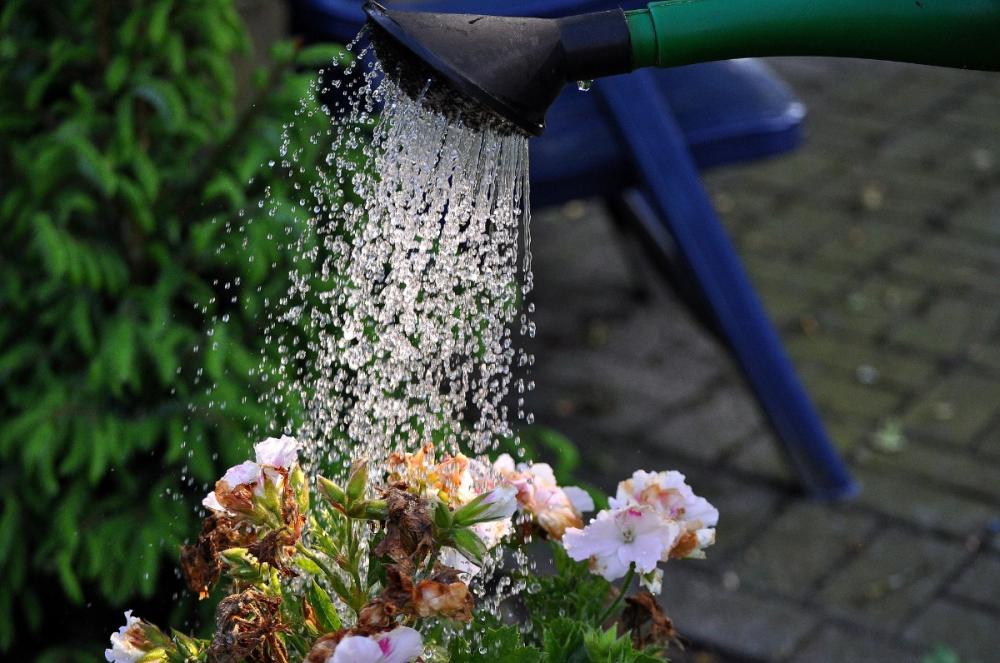
Image supplied by BGC
This summer has brought some of the hottest, driest conditions in years, and large parts of the country are now under Temporary Use Bans (the official term for a hosepipe ban) or heading towards drought status. That means gardeners need to be smarter, not just more generous, with the water they use.
Before you turn on the tap: Hosepipe restrictions are decided region by region, so a ban in one town doesn't necessarily mean a neighbouring area is affected. Check your supplier or https://www.water.org.uk/customers/find-your-supplier for the latest guidance, as restrictions can change at short notice. Read the small print too, as most bans extend beyond the garden to washing cars, filling paddling pools and cleaning patios.
Time it right: Water in the early morning or evening so less is lost to evaporation, meaning more moisture reaches the roots.
Water deeply, but less often: A thorough soak two or three times a week at the base of the plant does more good than a light sprinkle daily, encouraging deeper, more drought-resilient roots.
Prioritise pots: These dry out fastest, so need the most attention. Push a finger into the compost; if it's dry an inch or two down, it's time to water.
Mulching: A layer of bark chippings, compost or gravel around plants locks in moisture and cuts down how often you need to water.
Collect what you can: Water butts fed by rainfall, if any, or cooled washing-up water or grey water free of harsh chemicals, can help top up thirsty borders without using mains supply.
Group pots together: Clustering containers creates a more humid microclimate and reduces moisture loss, ideal for this dry summer season.
Plants
Your beds and borders should be in full flower now. Keep feeding containers with a high-potash fertiliser, as frequent watering strips nutrients from the compost. Deadhead spent blooms regularly to keep plants tidy and encourage further flowering. August is also a great time to take cuttings from fuchsias, pelargoniums, marguerites and petunias for next year, and to start browsing spring bulbs ahead of September.
Lawn care
With children off school, lawns take a battering this month. Let the grass grow a touch longer and mow no more than once a week; cutting too short in hot weather leads to scorched, brown patches. Keep blades raised and sharp.
Grass is remarkably resilient, even though its tinder dry and doesn’t look it. It may turn brown and go dormant in a drought, but will usually green up again once rain returns, so it's fine to leave it be during a ban.
If restrictions allow any lawn watering, limit it to once every 7–10 days and only once the soil has properly dried out; otherwise, trust the grass to recover once conditions ease.
Grow your own
August is peak harvest season with tomatoes, beans, courgettes, apples, plums and cherries all ready for picking, and regular harvesting encourages further growth. Watch out for blight, removing and destroying affected plants promptly. Main-crop potatoes can now be lifted, perfect alongside a barbecue. Onions, shallots and garlic are ready once leaves have yellowed, and herbs benefit from a trim to encourage fresh growth before autumn. Watch brassica leaves for butterfly eggs, which soon become hungry caterpillars. Strawberries, raspberries and blackcurrants can be picked for a fresh fruit salad, netting soft fruit against birds. Sow radishes and salad leaves now for a quick autumn harvest and ventilate greenhouses well to stop crops scorching.
Ponds and water features
Hot weather and low rainfall can cause pond levels to drop and water quality to suffer. Top up using stored rainwater if you have any, where possible, rather than tap water, as sudden temperature changes can stress fish and wildlife. Remove blanket weed and dying foliage regularly, as decaying matter uses up oxygen in already warm water.
Wildlife
In hot, dry weather, garden wildlife needs extra support. Top up bird baths and ponds daily, as fresh water is harder to find when the ground is baked hard and hang out feeders to supplement natural food. Young hedgehogs are often on the move in August, so leaving out meat-based cat or dog food and water helps. Keep nectar-rich plants well maintained for pollinators and leave empty tubes in insect boxes for nesting leafcutter bees.
Getting your garden ready for holiday
Heading off on holiday? Group containers in a shady spot and ask a neighbour to water them or use self-watering spikes to see them through. Give the lawn a last cut before departing and pick any ripe fruit or veg that would otherwise spoil while you're away.
This has been a challenging summer for gardeners, with the heat and dry spells testing even the most established plots. But a garden doesn't need endless watering to thrive; it needs the right care at the right time. With a bit of planning around the restrictions in your area, there's no reason your garden can't still be the highlight of your August.
The shortened address for this article is: newspub.uk/020g2
Search Results