



search
date/time

Thu, 1:00AM
scattered clouds
20.3°C
ESE 5mph
scattered clouds
20.3°C
ESE 5mph
 | Sunrise | 3:32AM |
| Sunset | 8:40PM |  |
P.ublished 9th January 2026
business
Helping Yorkshire’s Businesses Grow Amid Tax Changes Post Budget
Rebecca Davison, Tax Partner, Xeinadin

Image by kalhh from Pixabay
Against that backdrop, this year’s Budget has provided a mix of support and pressure for business owners across Yorkshire. For early-stage companies and high street employers, several changes offer real scope to plan ahead and take advantage of new incentives. But family-run firms, particularly those in agriculture and rural sectors, continue to face growing uncertainty around long-term planning and succession. So, what has changed?
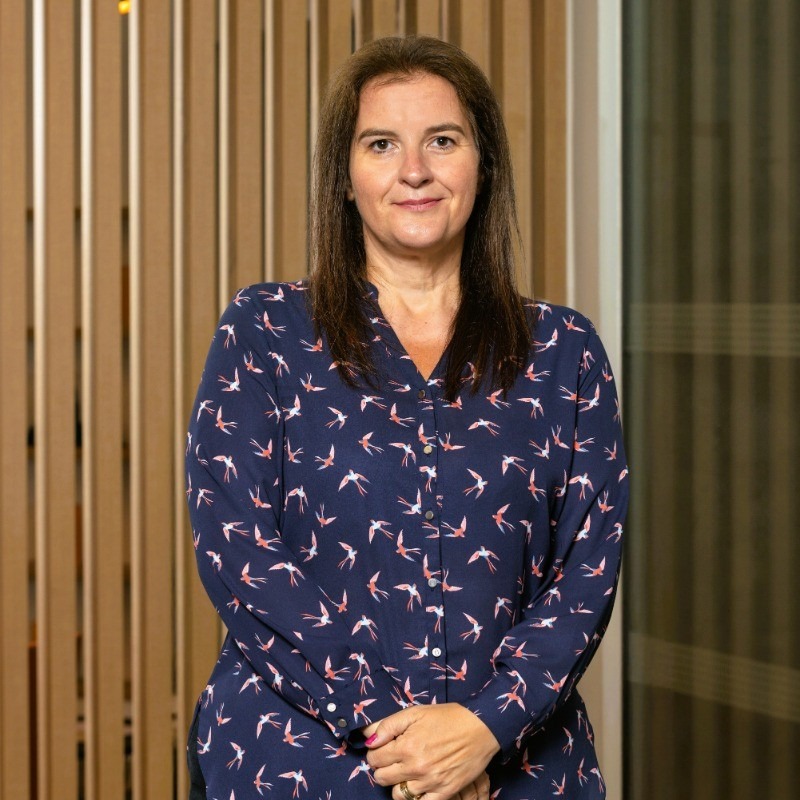
Rebecca Davison
Let's start with the positives. Backers of Yorkshire’s start-up scene should take note. The Enterprise Investment Scheme (EIS), a crucial mechanism for helping start-ups raise capital, has been expanded. This allows businesses moving beyond the early stages to attract more investment and focus on scaling up. Similarly, updates to the Enterprise Management Incentives (EMI) scheme now allow more mature firms to reward and retain key talent with tax-advantaged share options. For many of the fast-growing businesses we work with across West and North Yorkshire, these changes are a step in the right direction. They help to bridge the difficult middle ground when a company is no longer new and not yet large, and access to capital and skilled staff can make or break the next phase of growth.
The government has also made several pledges to address the skills gap, a longstanding concern for many small employers in our region. From April, apprenticeships for under-25s in SMEs will be fully funded, removing the previous 5% employer contribution. This is a welcome shift that could make a real difference in industries struggling to bring younger workers in, such as construction, manufacturing and hospitality.
Alongside this, the new Youth Guarantee Placements will allow employers to access six-month, government-funded placements for young people aged 18-21 on Universal Credit. Covering 25 hours per week at minimum wage for 6-month placements, this scheme could offer a route into work for many and provide much-needed staffing relief in sectors where recruitment remains challenging.
Permanent cuts to business rates multipliers for retail, hospitality and leisure are also promising. Our high streets in towns like Wetherby, York and Otley rely on independent shops and cafés, and any relief on fixed costs will help them trade with more confidence.
Challenges remain for rural and family-run firms
Yet despite this, we must also face the tougher parts of the Budget, particularly for long-established family-run firms - many of which underpin the rural economy in Yorkshire. Changes announced last year to inheritance tax reliefs for agricultural and business property, due to take effect in 2026, continue to be a cause for concern. The lifetime cap on relief means that many farming families who assumed they could pass on the business intact are now revisiting their succession plans. The detail may be complex, but proactive advice has never been more important.
Following strong lobbying efforts, the government has now announced an increase in the threshold for 100% IHT relief on agricultural and business property, from £1 million to £2.5 million per person. This allows qualifying assets of up to £5 million to be passed on tax-free by married couples or civil partners, and should provide welcome reassurance to many family-run farms that were facing difficult decisions about how to fund future tax liabilities.
Looking ahead, several tax and payroll changes will affect all employers, regardless of size or sector. From April 2026, the National Living Wage will increase to £12.71 per hour for those aged 21 and over. Rates for 18-20-year-olds will also rise to £10.85 an hour. These are significant uplifts that will support workers, but for some businesses, and particularly those with seasonal or low-margin operations, they may prove hard to absorb.
Another shift coming down the track is a cap on National Insurance relief for salary sacrifice pension schemes, which will be limited to the first £2,000 per person from April 2029. This will reduce the financial efficiency of current arrangements and could require employers to rethink how they offer benefits, as well as potentially add on financial strain for employers still grappling with last year’s budgetary increases.
Finally, income tax and NI thresholds remain frozen until 2030. As wages rise, more employees will quietly move into higher tax brackets. This increases the overall tax burden on workers and, in turn, the National Insurance costs for their employers, many of whom are already managing tighter margins after years of economic pressure.
Planning remains essential for the year ahead
As always, the key is in the planning. Whether it's taking advantage of new schemes, adjusting your payroll model, or preparing for changes still a year or two away, early conversations about your next steps can help build resilience and give your business a stronger footing.