



search
date/time

Sat, 7:00PM
overcast clouds
21.4°C
NW 8mph
overcast clouds
21.4°C
NW 8mph
 | Sunrise | 3:41AM |
| Sunset | 8:22PM |  |

Jeremy Williams
Arts Correspondent
@jeremydwilliams
P.ublished 30th May 2026
lifestyle
Douze Points For Bradford's Eurovision Extravaganza

Our intrepid reporter Jeremy
Following a wonderfully warm welcome at the door, we embarked on a journey right back to the very beginning of Eurovision itself. Calum and Skye loved seeing footage of the contest’s very first winner, Lys Assia, before immediately throwing themselves into a surprisingly challenging Eurovision-themed jigsaw puzzle which, despite plenty of confidence, proved no easy feat. 'United by music' may be the modern Eurovision slogan, but in that moment we were perhaps more united by confusion and missing corner pieces.
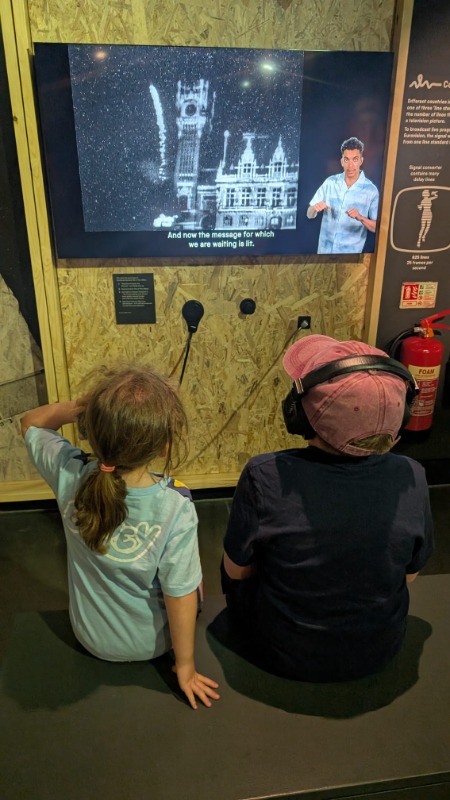
What really makes Setting the Stage shine is the way it goes beyond the glitter cannons and key changes to explore the technology and production wizardry behind Eurovision itself. The exhibition cleverly balances nostalgia with genuinely fascinating insight into how the contest has evolved over seventy years. From early television broadcast equipment like the Marconi Mk III camera head through to modern staging, lighting and projection technology, there’s loads to engage both lifelong Eurovision devotees and curious younger visitors alike.

While I was attempting to enjoy Conchita Wurst’s excellent talking-head feature without interruption, the magnetic pull of the badge-making and keyring activities proved too much for my two. The hands-on elements throughout the exhibition are brilliantly pitched for families, giving children plenty to interact with while still keeping adults fully entertained. It never feels like a museum where children are simply tolerated — they’re actively encouraged to get involved, experiment and play.
And of course, one of the joys of visiting the National Science and Media Museum is that the fun doesn’t stop with the temporary exhibition itself. After immersing ourselves in Eurovision glitz and glamour, the children happily drifted into the museum’s permanent galleries, extending our visit into a full four-hour adventure that absolutely flew by.
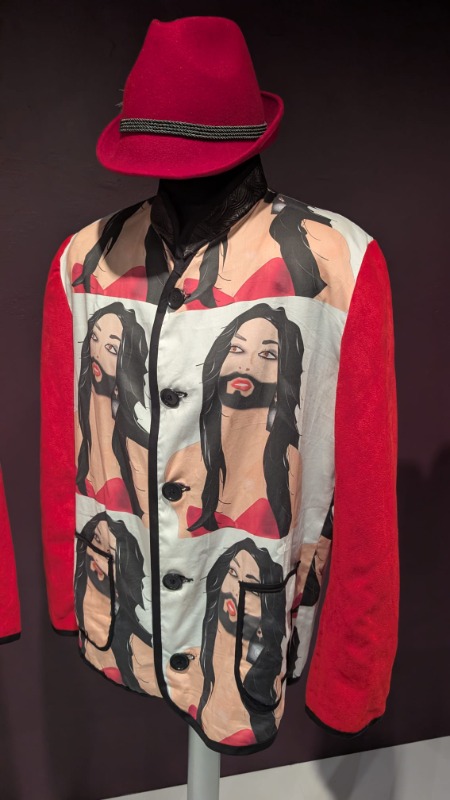
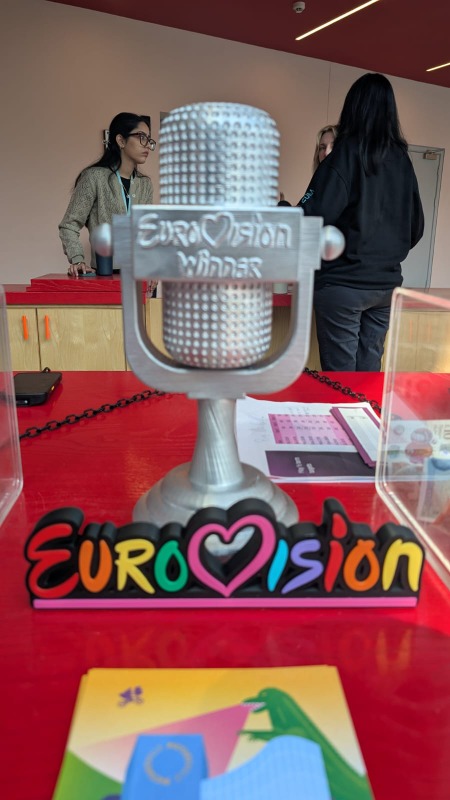
By the time we finally left — exhausted but very happy — a Eurovision selfie on the way out felt entirely essential. Setting the Stage perfectly captures why Eurovision continues to endure after seventy years: the spectacle, the creativity, the music, the emotion and, perhaps most importantly, the sheer joy of it all. Or, to borrow another Eurovision lyric, “love, love, peace, peace” — and quite a lot of sequins too.