


Front PageBusinessArtsCarsLifestyleFamilyTravelSportsSciTechNatureFiction
Search  
search
date/time
Sat, 4:00AM
few clouds
5.1°C
WNW 5mph
Sunrise4:00AM
Sunset8:01PM
Allison Lee
Smallholding Correspondent
P.ublished 16th May 2026
lifestyle

Does Size Matter?
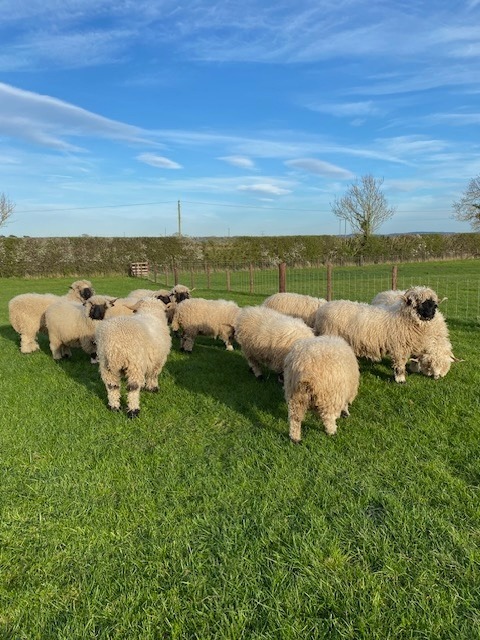
Sheep grazing
Sheep grazing
What exactly is a smallholding? If you Google 'smallholding', the definitions are endless: a piece of land that is bigger than a garden but smaller than a full-scale farm; a small piece of land used for farming; an agricultural piece of land which exceeds one acre but is less than fifty acres; or a small-scale farm. The list is endless, yet none of the definitions clearly state exactly what a smallholding is. The term 'smallholding' has grown in popularity since the 1950s; however, in practice, smallholdings have been around for centuries. In the 1700s, a large percentage of the population lived in the countryside, and they would have had their own plots of land on which to grow produce and keep a small number of livestock.

Whilst there doesn’t appear to be a legal definition of a smallholding, the line between owning a garden and owning a smallholding is rather blurred. However, most smallholders will use their land to grow fruit and vegetables, keep animals, or make a profit; sometimes, a mix of all of these is sought from the smallholding.

So whilst the size of the smallholding isn’t necessarily important, much depends on the land itself, and this is where bigger isn’t always better. The type of land is just as important, if not more so, than the amount of land.
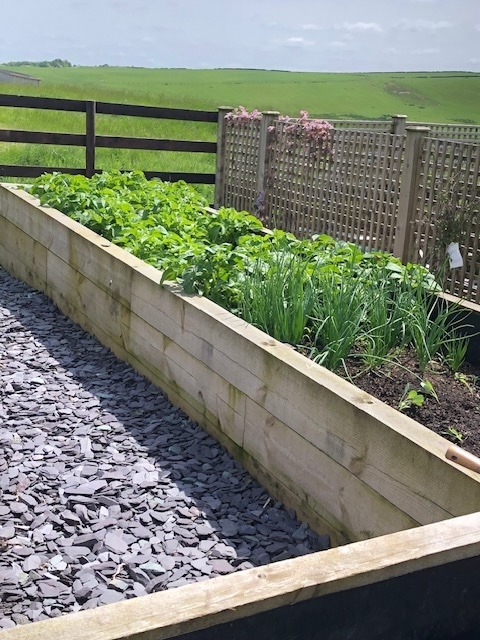
Raised beds
Raised beds
For example, if you intend to grow vegetables for sale at markets, you are better off with a couple of acres of flat, fertile land rather than twenty acres of hillside. However, if your aim is to keep a flock of sheep, the opposite may be true. In truth, there is no right or wrong answer to how much land a smallholding should have, and some important factors should be considered, such as:

If you are a smallholding hobbyist working your land alongside a full-time job, the smaller the better, as you will have limited time to manage your acreage. Focusing on a smaller plot will be less daunting.
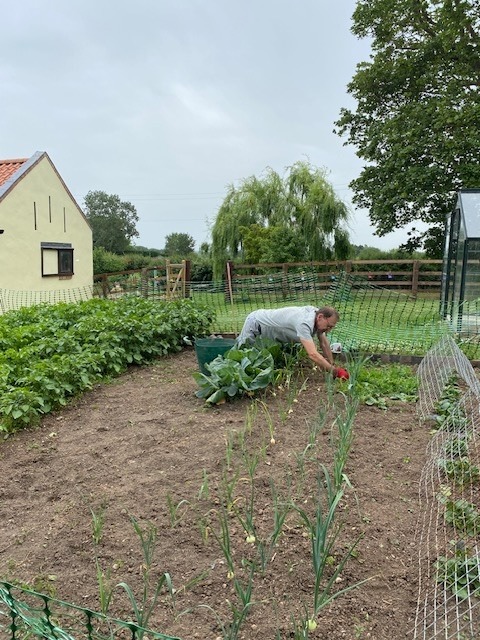
Planting vegetables
Planting vegetables
What do you intend to do with the land? Will you be grazing livestock or growing fruit and vegetables? Are you hoping to use your smallholding to make money or for self-sufficiency? You may hope to do a mixture of these things, in which case you will require a larger holding. You will need sufficient acreage for grazing animals, bearing in mind that land needs to be ‘rested’ and cannot be grazed all year round, along with separate areas for planting crops and perhaps a small orchard.


Smallholdings, unlike large farms, are versatile. Whilst they are primarily used for self-sufficiency, they can also produce crops for small-scale sale. Many smallholders will keep sheep, pigs, goats, chickens and perhaps bees, in addition to growing fruit and vegetables. Many smallholdings are chosen as a way of life. Outdoor living, fresh air, exercise, and home-grown produce are an attractive alternative to city living for many.
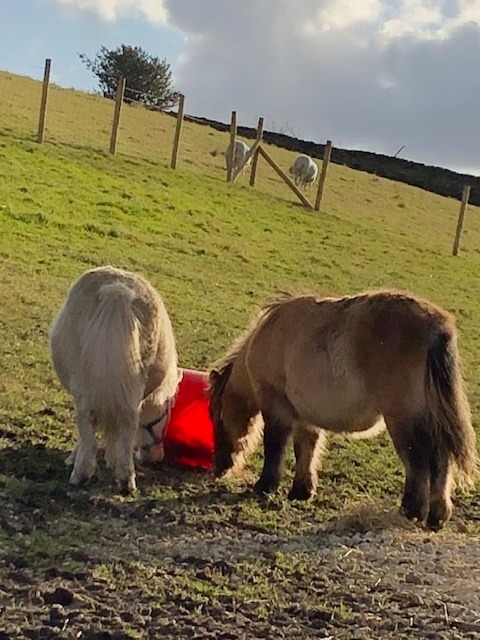
Pony paddock
Pony paddock
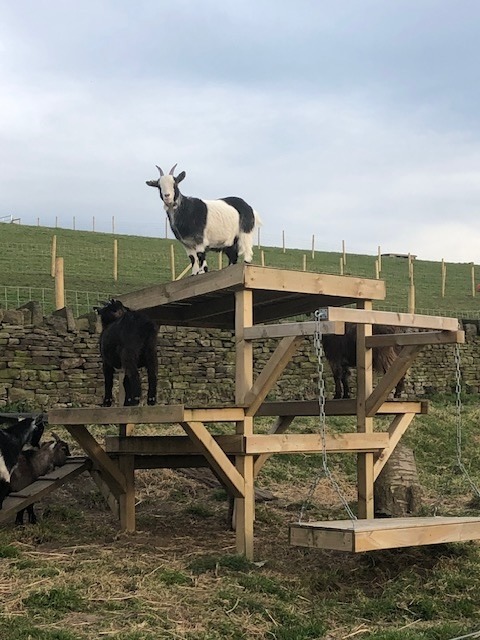
Goat pen
Goat pen
Smallholdings are generally cheaper to purchase than traditional farms and are widely available across the UK, including Devon, Cornwall, Yorkshire, Wales and Scotland. They can generate income without the restrictions often imposed on farms. Unlike many farms, smallholdings are typically worked solely by the family who live on them. Over time, the smallholder will come to know their land and develop an excellent understanding of what grows well and what to avoid. The produce grown will most probably be consumed by the family, with any surplus sold at farmers’ markets or at garden gates.

Whilst smallholdings of less than ten acres can be managed well, anything over this size will bring more challenges, and it is therefore worth considering turning excess acreage over to woodland, which, if pigs are kept, will provide a wonderful, natural habitat for them to roam and graze freely. Additional acreage can also be used to grow fodder for livestock; however, it is important to remember that once this path is chosen, additional expenses for the necessary machinery will arise.

Taking on a smallholding is very much a lifestyle choice, and therefore the ideal size will depend primarily on what you are looking to achieve. There is no single correct size, any more than there is a single correct location, because everything depends on what you want rather than on what is deemed right.


You can find Allison on Instagram countryliving_writer or visit her website here