


search
date/time

Mon, 12:00PM
light rain
9.4°C
SSE 14mph
light rain
9.4°C
SSE 14mph
 | Sunrise | 6:52AM |
| Sunset | 4:43PM |  |

Dr Mark Rackley
Psychologist and Mental Health Expert
P.ublished 20th July 2024
lifestyle
“Denial Ain’t Just A River In Egypt.” (Mark Twain)

Image by Gerd Altmann from Pixabay
Denial is a psychological concept which was first introduced by Anna Freud, the daughter of Austrian neurologist and founder of psychoanalysis, Sigmund Freud. She saw denial as a defence or coping mechanism against anxiety and the refusal to acknowledge the existence or severity of unpleasant external realities or internal thoughts and feelings.
Unexpressed emotions will never die. They are buried alive and will come forth later in uglier ways.
That is a stern warning and one we should take seriously as denial is a dangerous and potentially life-threatening issue to have.
Why would someone use denial in the first place, surely, they are just fooling themselves and everyone else around them? Well obviously, but denial has a purpose to the person who is using it as it serves to protect the individual from experiencing anxiety about aspects of who they are that they feel are uncomfortable, difficult or unacceptable to themselves or others. Yes, denial is lying, but the truth is too much to bear so must be avoided.
Denial helps us to defend against the truth or reality of an aspect of ourselves or our life that is deemed too difficult to deal with. It allows us to live as a version of ourselves that we or others feel is acceptable and defends against a reality we feel we or others can’t bear. Denial helps us save face as it protects us from potential negative judgement and consequences and helps us meet the approval of family and society.
As mentioned, denial is a coping mechanism that is used to stave off the anxiety. Of course, the irony is that denial itself enables and maintains the anxiety rather than preventing it, as the denied issues are never addressed. So, having denial as an issue means we are anything but zen, rather it causes worry, anxiety, stress and panic.
To deny, we must lie. Denial involves secrets we hold about ourselves within the internal world of our mind. Holding these secrets is hard work and takes up lots of energy to do so. The result is that we can become trapped in our own head as the only perspective we get is our own. This can result in making the issue being denied bigger and bigger and so the level of denial, energy needed and associated coping mechanisms will need to increase.
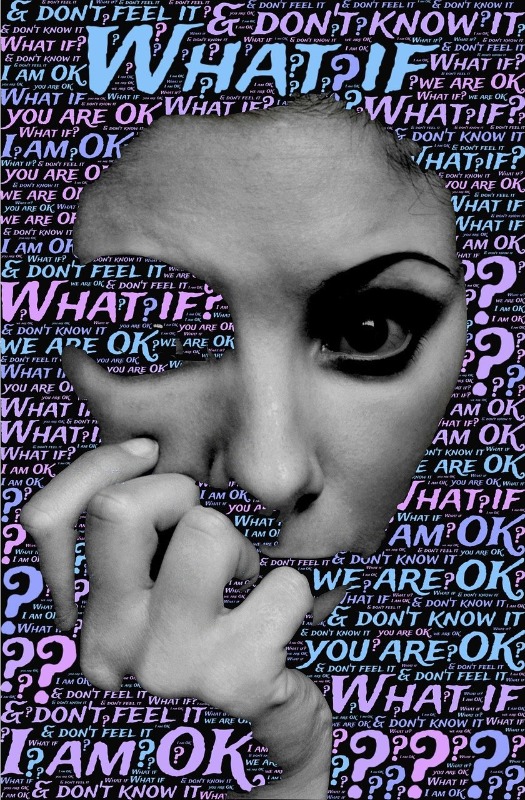
Image by John Hain from Pixabay
The issue of denial can be a complicated one to work with as it not only involves potential consequences to us, but also others. Deciding to work with the truth is a personal decision, and some will support or oppose us in this. Opposition by others to our truth has an agenda and so take time to think through if we still want, need or agree with the agenda to keep things denied.
The expression ‘the truth will set you free,’ is true, but it may involve a freedom that comes at a price as we and others seek to adjust to the reality of a situation. Others may wish to keep the denial in place and prefer the denial to the facts. The truth may set us free, but others may rather stay living with the secret. That is their choice to stay in the lie, but it’s our choice to choose freedom and leave denial behind us.
If others do not support us, then they too have an issue with denial. If we deal with our denied issue and move into honesty others who do not move with us may choose to leave us behind. That can be a high price to pay as family, friends, our community or religion may not want the change and openly reject this. It’s vital that we surround ourselves with support from people who accept our reality and encourage that.
‘Denial ain’t just a river in Egypt’ but we can drown in denial if we don’t save ourselves with the truth. Sadly, others who prefer our denial, deception and lies can stand passively on the banks and watch us go under. Don’t drown in denial, save yourself and deal with this issue.
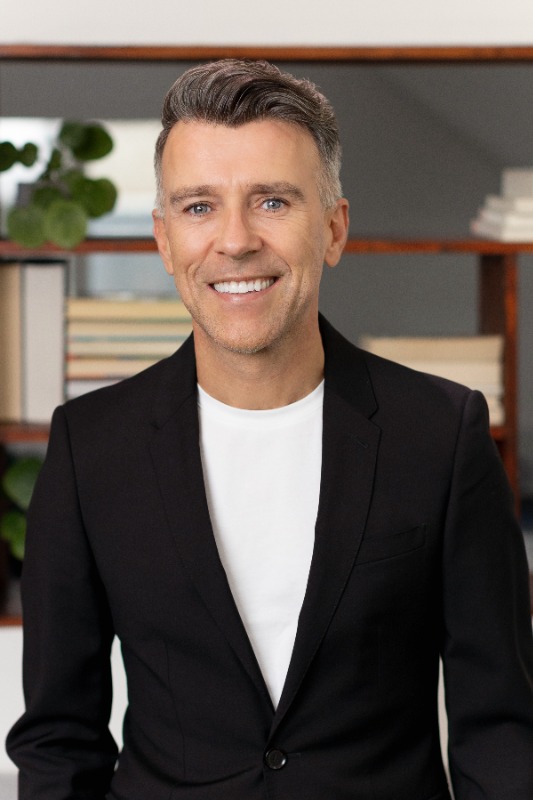
Dr Mark Rackley
www.drmarkrackley.com
Listen to my podcast: I Have Issues, The Mental Health Podcast From Dr Mark Rackley (on all major podcast platforms)
For support with your mental health:
-Samaritans (116 123) operates a 24-hour service.
-Make an urgent appointment with your GP.
-Go to your nearest Accident and Emergency (A&E) department.
-Visit www.nhs.uk. All areas have local mental health crisis lines where urgent help, possibly at home, can also be arranged.
Also by Dr Mark Rackley...
The Culture of ShameInsecurity: A Universal Issue & What You Can DoTrust Issues, What Can You Do About Them?Pride Month, Why It MattersAnger Management: The Clue Is In The NameThe shortened address for this article is: newspub.uk/01qp2