



search
date/time

Wed, 10:00AM
clear sky
12.3°C
NNW 9mph
clear sky
12.3°C
NNW 9mph
 | Sunrise | 5:26AM |
| Sunset | 6:37PM |  |

Andrew Palmer
Group Editor
P.ublished 22nd June 2024
arts
Review
Classical Music: Héloïse Werner Close-ups
Barbara Strozzi Che si può fare, Op. 8 No. 6; Héloïse Werner Les Leçons du Mardi; Julie Pinel Sombres lieux; Hildegard of Bingen O vis eternitatis; Alexander/Baillie/Downes/Schofield/Werner Echo; Echo II; Echo III; Héloïse Werner Close-ups; Errollyn Wallen Tree; Héloïse Werner Unspecified Intentions; Lullaby for a Sister
Max Baillie Violin, viola, hardanger fiddle. Julian Azkoul Violin. Ruth Gibson Viola. Colin Alexander Cello. Marianne Schoeld Double Bass. Kit Downes Cello.
Delphian: DCD34312
https://www.delphianrecords.com/
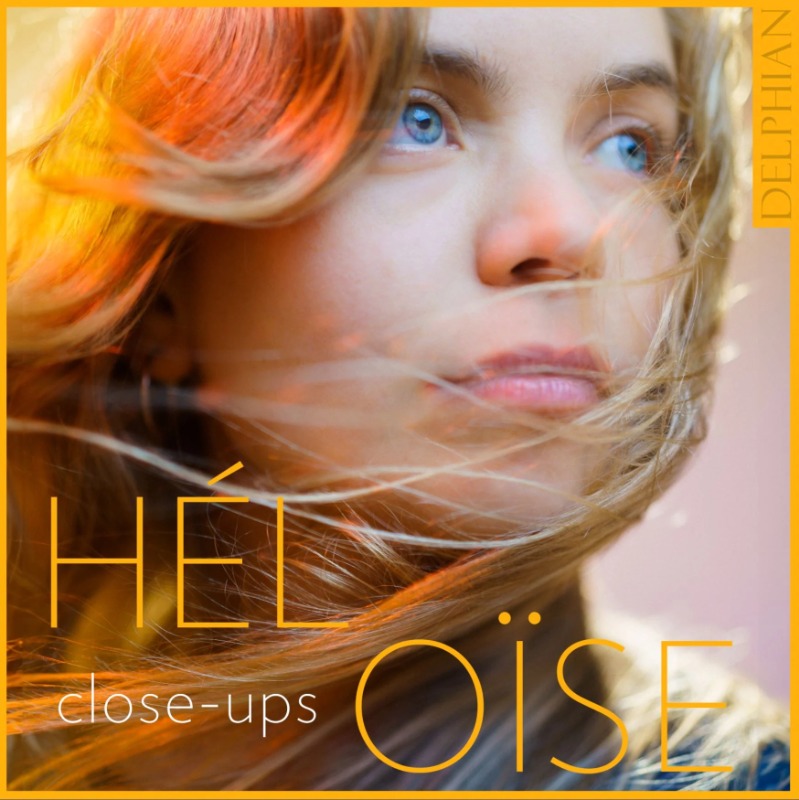
The concept for this album came to Héloïse Werner while she was travelling on a train to Birmingham—'a 'literal’ light that did the trick.’
The gentle radiance of a distinctive glow created an instantaneous soundscape. Through a series of interconnected tracks, Werner has creatively and effectively used the sounds of string instruments and the human voice as her canvas, persuading a group of musicians she knew would invest in the concept.
Megan Steer's notes, including those on texts and translations, are exceptional, particularly in the context of Les Leçons du mardi. The piece, a collaboration between Werner and her sister Emma, offers a critical perspective on the infamous 'Tuesday Lectures' held at the Salpêtrière hospital in nineteenth-century Paris. Led by neurologist Jean-Martin Charcot, the lectures saw hysterical women, institutionalised at the Salpêtrière, forced to act out their symptoms before an eager Parisian public.
The textures often seem raw, but they have an aura of warmth. Close-Ups, a piece for violin and soprano, requires an impressive range of tone and technical ability. The focus of the piece is a mixture of sounds that combine in a free style in a piece where the duo needs empathy to get the best effects as they interact with each other.
Originally written for solo voice, Unspecified Intentions was rearranged for voice and string quintet. Steer writes in the notes that the piece, designed for live performance, insisted on being recorded in a single take in the studio, with the energy evident in the final mix.
Lullaby for a Sister sets music by Héloïse’s sister Emma and is written for voice and cello. It is a haunting motif where the voice and cello rebound.
This disc captivates listeners with its improvisational and dramatic concept, blurring traditional sounds while showcasing Werner's technical brilliance, often creating a luminous effect.
Also by Andrew Palmer...
Classical Music: Mahler's Symphony No. 3 in D minorClassical Music: Beethoven String Quartets Vol 3Classical Music: Janáček The Excursions Of Mr BroučekClassical Music: Elena Ruehr: Violin Concerto No. 1Forty Years On, Mark Thomas Still Hasn't Got A PensionThe shortened address for this article is: newspub.uk/01qbw
Search Results