



search
date/time

Sun, 7:00PM
light rain
18.6°C
SSW 9mph
light rain
18.6°C
SSW 9mph
 | Sunrise | 5:08AM |
| Sunset | 7:01PM |  |

Andrew Palmer
Group Editor
P.ublished 24th December 2025
frontpage
Christmas Interview: The Hardest Job On Earth
How A York Geek Became Adventure's Most Extreme Filmmaker
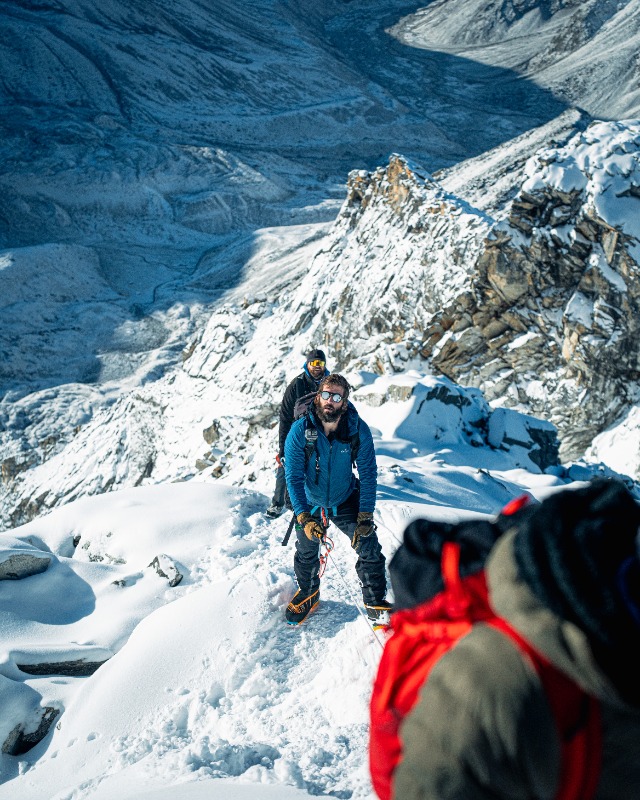
The contrast is striking. Here sits a man who has battled through rainforests in Congo, survived a terrifying boat crossing during a thunderstorm off Cameroon's coast, and filmed Mitch Hutcraft's world-record triathlon from the English Channel through the Arabian Desert to Everest Base Camp. Yet his manner suggests a thoughtful librarian rather than an extreme adventure filmmaker. Perhaps that's precisely the point.
"I was a massive introvert as a kid," Gaskell admits, his Yorkshire accent softening the confession. "Very low self-esteem. I was really geeky—I still am, but that side's less obvious now. I was the kid at home playing Minecraft, watching YouTube. I definitely wasn't the sort of person you'd expect to end up doing this."
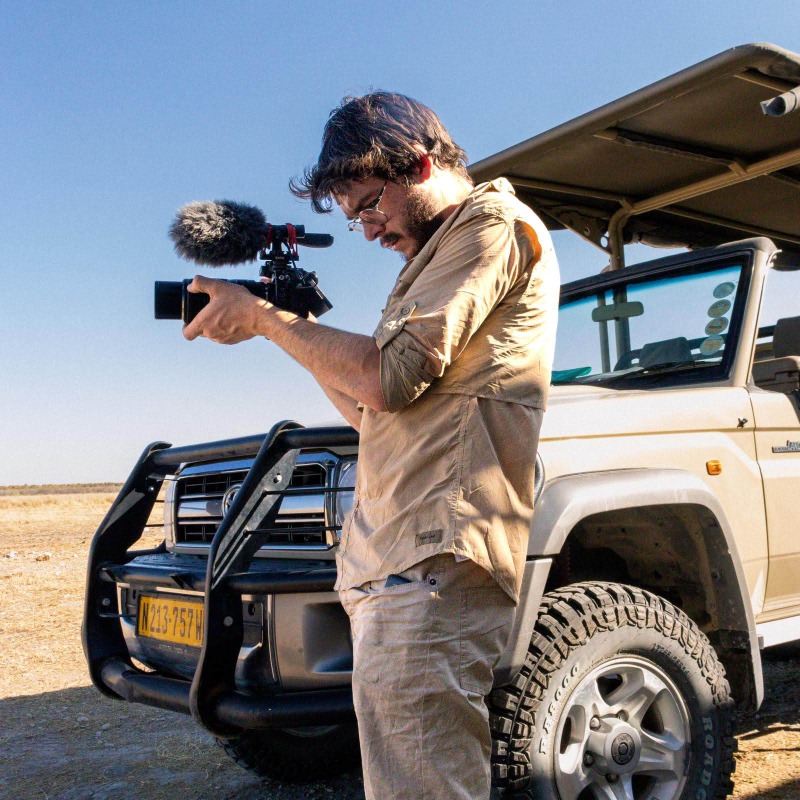
Intrepid photographer
What followed was less glamorous than his eventual career trajectory might suggest. At seventeen, Gaskell began taking freelance filming jobs—"little events here and there in York, maybe fifty quid a pop to film some corporate date or something." After leaving school at eighteen, he spent three grinding years attempting to break into traditional film and television. Three years of rejections. Not a single traineeship, not one entry-level role.
"Basically, that entire period was filled with rejections," he says matter-of-factly. "I was doing freelance work on the side, but nothing particularly massive. Just enough to pay the bills. I had about four other jobs as well to keep me ticking over."
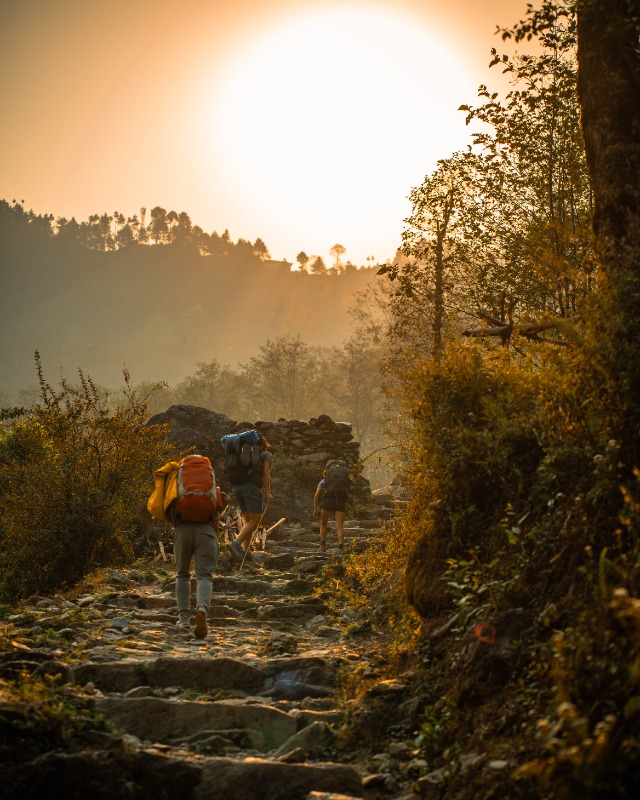
Now, that unconventional path has taken him to places most people never even contemplate. The Project Africa expedition with Russ Cook alone—documenting every single day of a year-long run up the continent—would test anyone's limits. Gaskell was shooting, editing and releasing YouTube content throughout, working eighteen- to twenty-hour days on roughly four hours' sleep. For 352 consecutive days.
"It's the longevity that's the biggest challenge," he explains. "Doing one day of that is one thing. Extrapolating it out to 352 back-to-back without any respite—that's what made it so difficult. It's just a war of attrition."
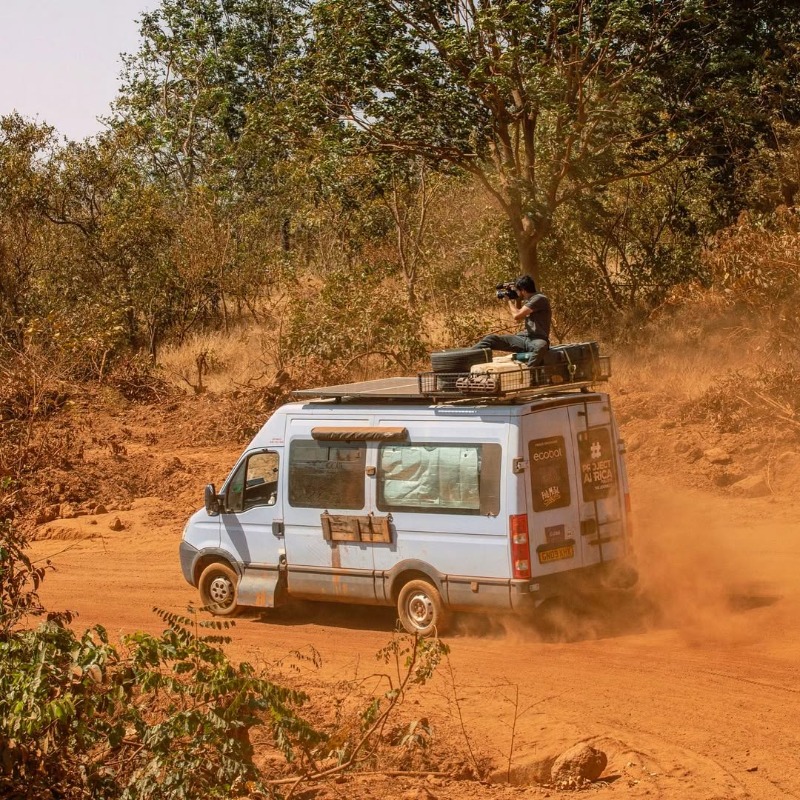
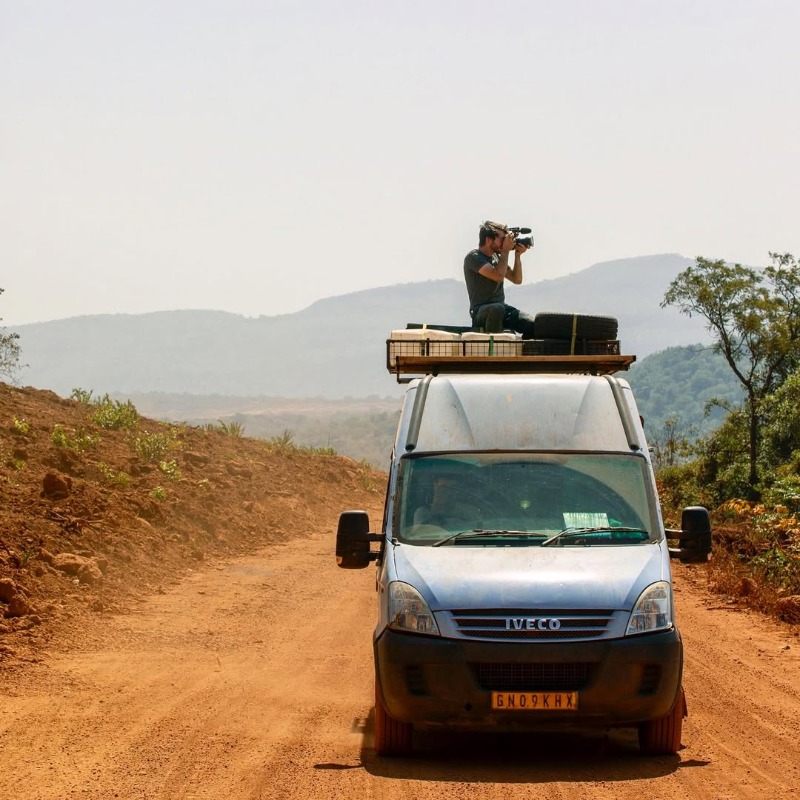
The lack of sleep proved more debilitating than anything else—more than the food, more than the physical conditions, even more than his companions' playlist choices. "The physical exhaustion of minimal rest coupled with forging close working relationships at speed when you're both at your limits—that's hard," he acknowledges.
But it's when discussing the rainforest that Gaskell's composure cracks slightly. Of all the environments he's endured, the Congo rainforest tops the list. "The heat and humidity are a whole different beast. We were in parts where it was like forty degrees and one hundred percent humidity. Vile. We were living in a van without air con or fans. Everything was just consistently damp and warm."
He pauses, remembering. "You couldn't dry your clothes. It would affect our camera equipment and our laptops. When you're trying to create films in those conditions, it's even worse."
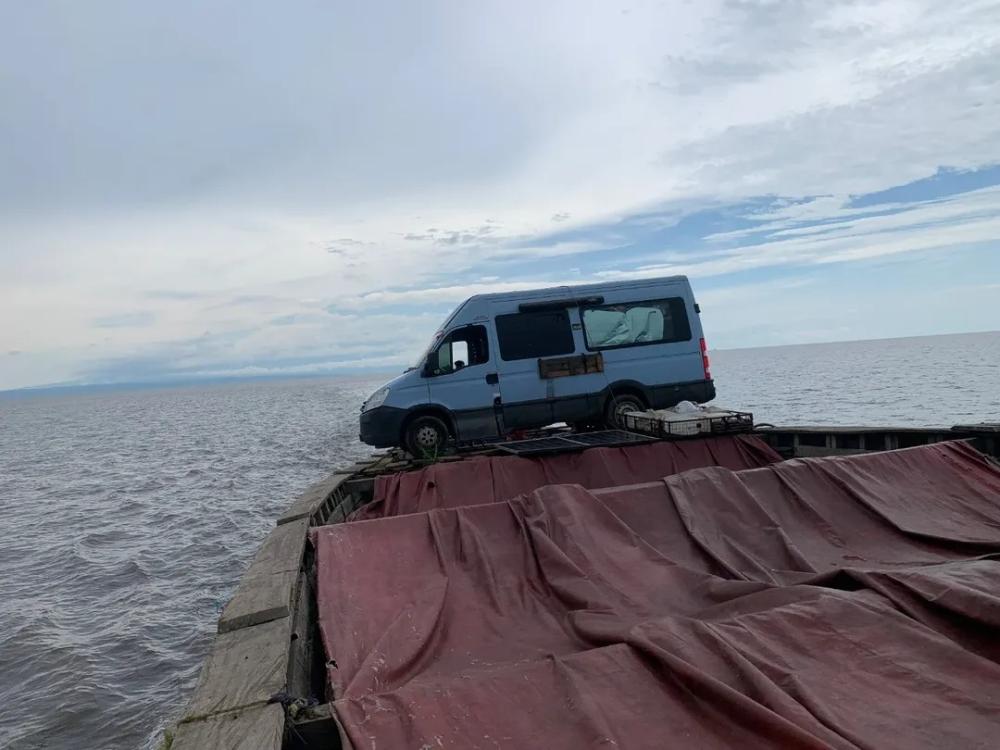
Precariously balanced
"There was a real moment between myself and my colleague Jamie where we acknowledged that we might not survive," he recalls with eerie calm. "We had a really frank conversation about it, about the fact that there wasn't anything we could do to affect it. So, we just went to sleep. When we woke up, it was all in the past. There was a strange sense of calm."
It was his first obvious brush with death, and the one where he questioned his survival most acutely. There would be four more such moments across the two major expeditions.
For someone raised in York, unused to extreme heat, the experience has fundamentally altered his relationship with everyday life. "When you live a life where you spend a lot of time being incredibly uncomfortable, surviving with very little, you have so much more appreciation for what you do have," he says. "Almost nothing bothers me anymore. Little petty things, such as the weather or the late arrival of buses, would cause significant inconvenience to most people. I can only be appreciative for what we have in the UK."
There's something deeper there too, a philosophical shift that comes from facing mortality repeatedly. "I have so much more appreciation for the simple fact that I am alive. There were times out there when that's all I really had to lean on. And that's an amazing feeling."
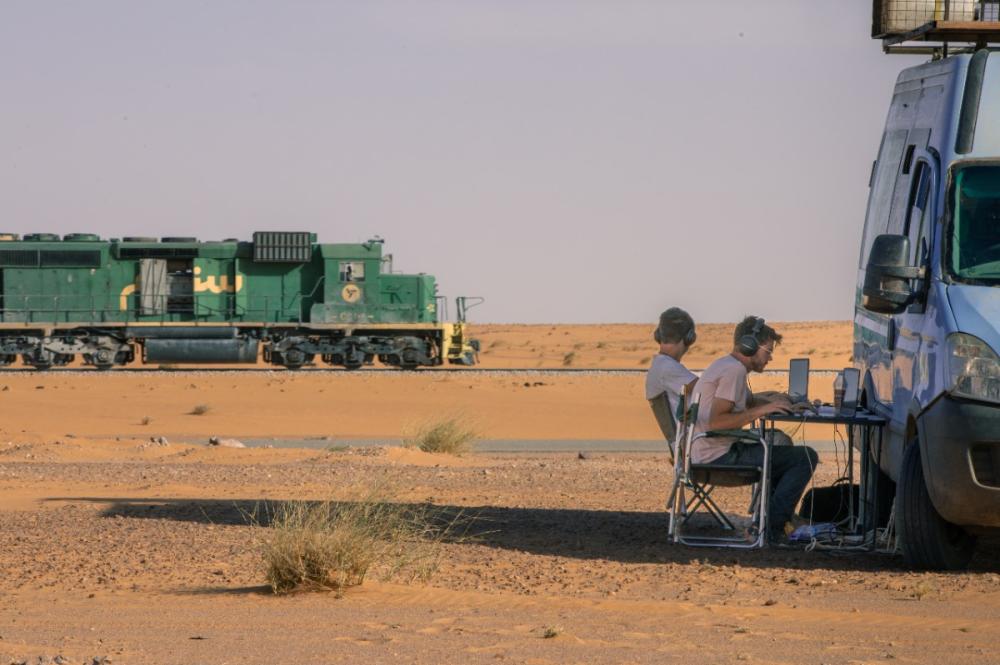
The cravings, though—those were real. During Project Africa, he thought about Chinese takeaway three or four times a day for an entire year. "It was literally the first thing I did the day I got back. Went to my parents' house and had a massive Chinese." On the second expedition, it was pub food—specifically steak and ale pie with gravy.
Last May, Gaskell came home after practically living overseas for two and a half years. Six months on, he's only just beginning to process what he's been through. "When you're in those situations, you really can't think about home too much because you can't access it. You're just being cruel to yourself. You have to stay in it until it's done."
Now, back in London, he's reconnecting with the life he left behind. "I'm very content with existing here, not out there. There is still that call to adventure, but life is about balance. For me at the moment, the balance rests here."
Christmas holds particular significance this year. Last year he was in Pakistan; the year before that, in the jungle. "I haven't had a normal Christmas for years. Just having the privilege of spending Christmas with my family is something I'm so excited about."
The future, however, remains characteristically adventurous. Gaskell and his co-producer Molly have launched Blue Door Productions, aiming to bridge the gap between traditional television and YouTube. "The TV world is changing massively. The two will start intersecting more and more. Our goal is to bring our knowledge of both worlds together."
His advice for aspiring adventure filmmakers? "Work hard relentlessly and be friendly and kind to other people. I don't think I'm the world's best filmmaker—not even close. But I will work hard to the point of being silly, and I always try to be kind to everyone I work with. That will get you way further than being super talented and big-headed."
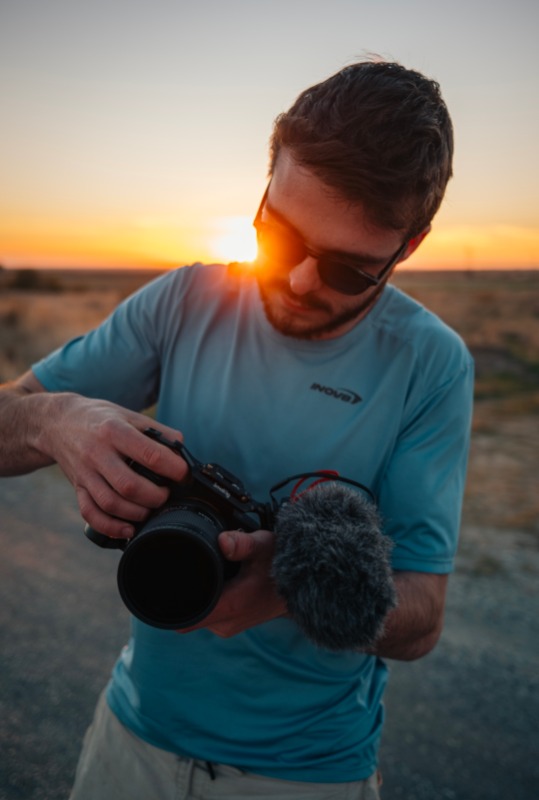
Stan Gaskell
It's a wonderfully human detail from someone who's lived through experiences most of us can barely imagine. Stan Gaskell may have documented some of the world's most extreme journeys, but he's grounded enough to know that sometimes survival comes down to the smallest comforts: a bit of blackcurrant squash, a Chinese takeaway, and the simple privilege of being home for Christmas.
Also by Andrew Palmer...
Classical Music: Stephen Hough's Piano PostcardsClassical Music: Missy Mazzoli Breaking The WavesClassical Music: Music for Violin & PianoClassical Music: Cinquième Symphonie VierneClassical Music: Paganini Violin ConcertoThe shortened address for this article is: newspub.uk/01xqn
Search Results