


search
date/time

Sat, 10:00AM
overcast clouds
7.5°C
S 8mph
overcast clouds
7.5°C
S 8mph
 | Sunrise | 6:48AM |
| Sunset | 4:48PM |  |
P.ublished 24th October 2026
lifestyle
Bike Expert Warns Cyclists To Check One Thing Before Clocks Go Back This Sunday
Sean Carney, Chief Underwriting Officer at Cycleplan, reveals six common mistakes cyclists make when riding after dark, from misunderstanding flashing light rules to overlooking essential reflectors, and shares advice on staying safe and legal as the evenings get darker.
1. Thinking front and rear lights are all you need
"Most cyclists know they need a white light at the front and a red one at the back, but many don't realise that lights alone aren't enough.
"By law, your bike also needs a red rear reflector and, if it was manufactured after 1 October 1985, amber reflectors on the front and back of each pedal.
"These help drivers spot you when their headlights hit your bike, particularly from behind. Before heading out, check they're clean, visible and securely attached. It's an easy detail to miss, especially if you've had the same bike for years."
2. Assuming flashing bike lights are illegal
"Many cyclists think flashing bike lights are against the law, but they've actually been legal since 2005, provided they meet certain requirements.
"Flashing-only lights must flash between 60 and 240 times per minute and produce at least four candelas of light.
"However, lights that also have a steady setting are subject to additional approval requirements, so it's worth checking the manufacturer's specifications to make sure they're suitable for road use.
"Flashing lights can help you get noticed by other road users, but on poorly lit roads, I'd recommend using a steady front beam so you can clearly see potholes and other hazards ahead."
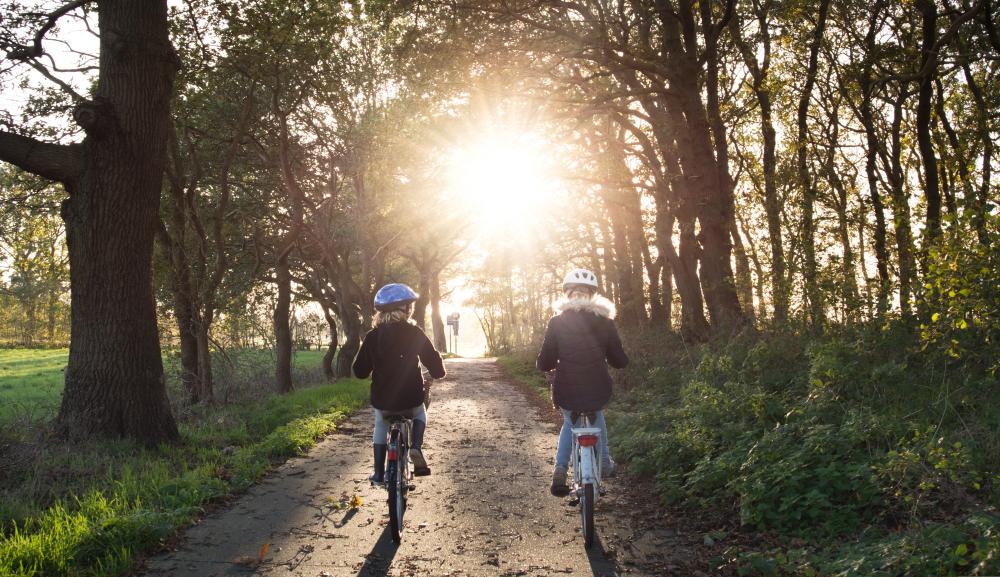
Photo credit: ClickerHappy
3. Believing reflective clothing is enough to keep you legal
"A high-vis jacket might help drivers spot you, but it won't keep you on the right side of the law if your bike doesn't have the correct lights and reflectors. Even if you're covered head to toe in reflective gear, you still need working front and rear lights when cycling after sunset.
"Reflective ankle bands are a useful extra, as the movement of your legs helps drivers recognise you're cycling, but they can't replace pedal reflectors.
"The safest approach is to combine reflective clothing with properly fitted lights and reflectors, rather than relying on one or the other."
4. Assuming any bike light bought in a shop must be road legal
"Just because a bike light is sold in a shop doesn't automatically mean it's road legal. Some are designed as extra visibility aids rather than your main lights.
"Lights with a steady beam are subject to specific legal requirements, including applicable lighting standards or recognised alternatives. Before buying, check that the manufacturer confirms they're suitable for use as your main road lights, rather than simply choosing the brightest or cheapest option.
"And don't forget, even the best lights won't help if they're hidden behind a bag or coat. Make sure they're securely fitted, clearly visible and pointing in the right direction."
5. Waiting until it's completely dark to switch your lights on
"One of the easiest mistakes cyclists make is waiting until it's pitch-black to turn their lights on. But the law is clear: you need them between sunset and sunrise, even if it still looks fairly light outside.
"With the clocks going back, this could catch out commuters who suddenly find themselves cycling home after sunset. Check sunset times before setting off and get into the habit of switching your lights on early.
"Even during the day, using your lights in fog, heavy rain or gloomy weather can make your journey safer.
"Ultimately, being visible isn't just about following the law. It's about giving drivers the best possible chance of spotting you before it's too late, particularly during the busy evening commute."
The shortened address for this article is: newspub.uk/021eo