



search
date/time

Sat, 4:00AM
few clouds
5.1°C
WNW 5mph
few clouds
5.1°C
WNW 5mph
 | Sunrise | 4:00AM |
| Sunset | 8:01PM |  |

Jeremy Williams-Chalmers
Arts Correspondent
@jeremydwilliams
P.ublished 16th May 2026
arts
Review
Albums: The Hoosiers Compassion
Tracks: Multiply; Automatic Glow; So High; Sleeping With The Light On; Compassion; Don't Hang Your Head; Lonely Together; Jigsaw Heart; Everybody Is A Little More Broken Than They Pretend To Be; Man From The Magazine; Permission To Rest; The Final Piece Of The Puzzle
Label: Crab Race
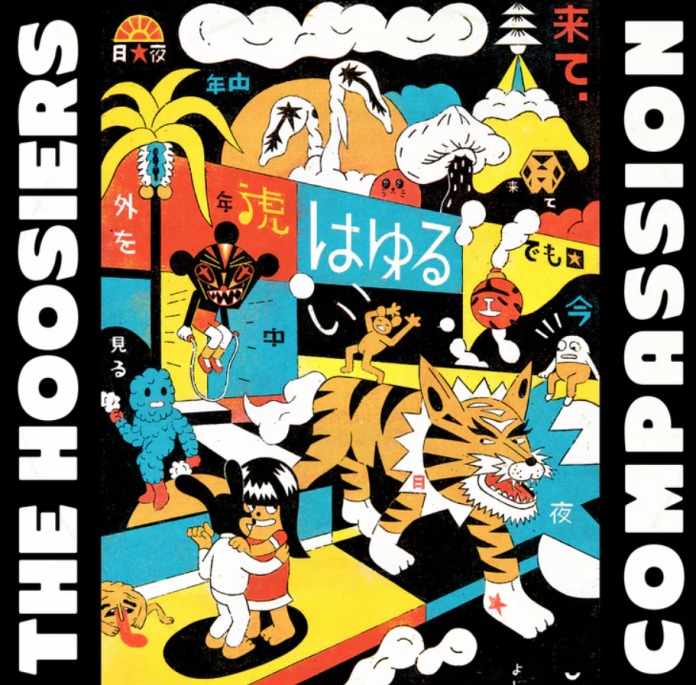
Rather than chase nostalgia or recreate former glories, the album feels like the work of a band still creatively engaged with who they are in the present tense. There is a breezy confidence to the record, one that leans into shimmering pop textures and understated electronic flourishes while retaining the heart-on-sleeve songwriting that has always anchored their music. The production often feels sunlit and weightless, but beneath that easygoing exterior sits a thoughtful reflection on emotional fatigue, kindness, and human connection.
Irwin Sparkes remains the emotional centrepiece. His instantly recognisable voice — elastic, expressive, and tinged with vulnerability — still gives The Hoosiers their identity. What is striking on Compassion is how naturally his vocal style fits alongside the band’s more modern sonic palette. There is less emphasis on theatricality and more focus on atmosphere, groove, and texture. The arrangements are polished without feeling sterile, and the band demonstrate a willingness to stretch themselves musically while avoiding the trap of sounding like they are borrowing someone else’s identity.
Tracks unfold with a relaxed optimism that feels increasingly rare in contemporary pop music. Even when the record brushes against darker themes, there is an underlying belief in resilience and empathy running through it. That balance gives Compassion its appeal; it never becomes overly saccharine, nor does it wallow in cynicism. Instead, it occupies a middle ground that feels genuinely human.
There is also something refreshing about hearing a band embrace positivity without irony. So much modern pop leans heavily on image, detachment, or calculated coolness, whereas The Hoosiers continue to prioritise personality and emotional openness. That authenticity has become one of their greatest strengths over time. They are not attempting to reinvent themselves for relevance but evolving naturally while staying true to the melodic instincts and emotional accessibility that have always defined them.
If anything, Compassion highlights just how successfully The Hoosiers have outgrown the assumptions that once surrounded them.