



search
date/time

Wed, 3:00AM
scattered clouds
8.1°C
SSE 9mph
scattered clouds
8.1°C
SSE 9mph
 | Sunrise | 7:02AM |
| Sunset | 5:32PM |  |

Jeremy Williams-Chalmers
Arts Correspondent
@jeremydwilliams
P.ublished 21st February 2026
arts
Review
Albums: Gorillaz - The Mountain
Tracks: The Mountain; The Moon Cave; The Happy Dictator; The Hardest Thing; Orange County; The God of Lying; The Empty Dream Machine; The Manifesto; The Plastic Guru; Delirium; Damascus; The Shadowy Light; Casablanca; The Sweet Prince; The Sad God
Label: Kong
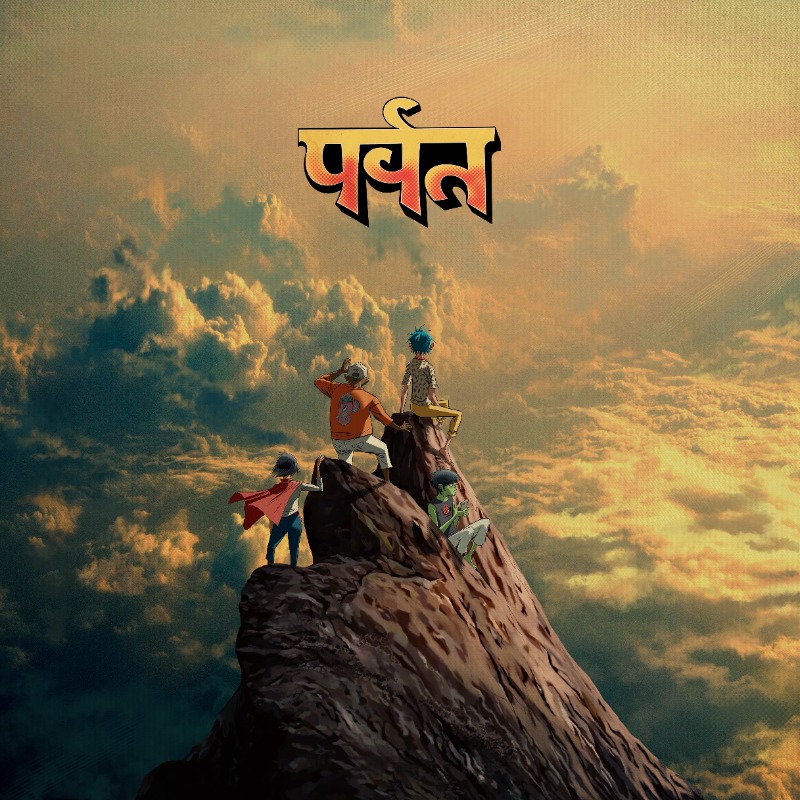
Musically, it’s wide-ranging even by Gorillaz standards. If Plastic Beach felt like a globe-trotting summit, this goes just as far but feels more intentional. The guest list stretches across continents and generations, with archival contributions from Mark E Smith, Bobby Womack, Tony Allen and Proof folded carefully into the mix. Rather than feeling like novelty appearances, their voices and rhythms act like echoes in conversation with the present.
Indian instrumentation runs throughout, with sitar from Anoushka Shankar weaving in and out of Albarn’s melodies. The result is luminous rather than heavy — contemplative but rarely weighed down. Funk grooves, dub textures and sleek pop hooks surface in turns, yet the album never tips into chaos. There’s a sense that Albarn has tightened the reins, allowing each collaborator space without letting the whole thing sprawl out of control.
And what collaborators they are. Asha Puthli, Jalen Ngonda and Black Thought add warmth and bite; the late Dave Jolicoeur appears in a way that feels celebratory rather than mournful. Sparks adds a flash of arch theatricality, while Bizarrap injects a modern rhythmic snap. Joe Talbot shows a more restrained side than usual, and veterans like Johnny Marr and Paul Simonon lend subtle weight to the album’s murkier corners.
There are moments where the band flirt with their own past, nodding to earlier hits without fully retracing their steps. But for the most part, the mood is forward-looking. Grief and politics intertwine, yet the tone isn’t despairing. Instead, there’s a strange lightness—an insistence on melody, groove, and color— even when the subject matter leans toward mortality and disillusionment.
By the end, the album feels less like a concept record and more like a conversation: between the living and the departed, between East and West, and between satire and sincerity. It’s busy but cohesive, thoughtful without becoming ponderous, and playful in that distinctly Gorillaz way.
Cartoon avatars, they may be, but the emotions here are very real— and there’s plenty of creative spark left in them yet.