



search
date/time

Sat, 7:00PM
overcast clouds
21.4°C
NW 8mph
overcast clouds
21.4°C
NW 8mph
 | Sunrise | 3:41AM |
| Sunset | 8:22PM |  |
P.ublished 30th May 2026
family
A Guide To Choosing A Care Home
Genevieve Powrie of SAS Daniels LLP
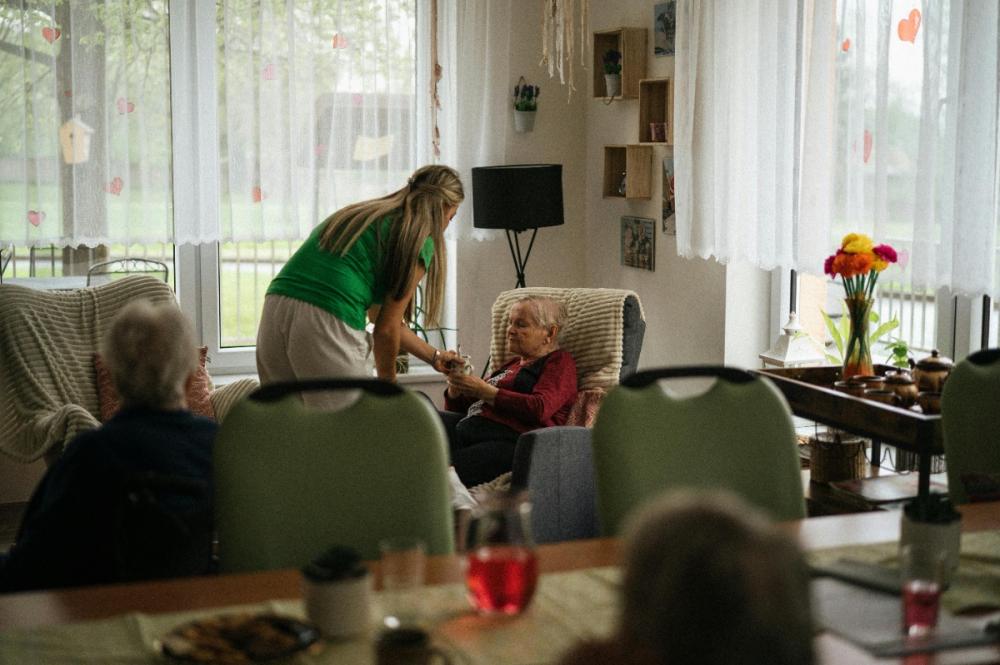
Image: Jsme MILA on Pexels
For some it is a freely made choice to enter a residential care setting, bringing peace of mind and a respite from housebound isolation. For others it will be a traumatic experience, imposed upon them through the lack of any viable alternative.
Understanding the funding of residential care and identifying the most appropriate care setting can be bewildering. We have developed a simple step-by-step guide which outlines the key considerations if you are thinking of moving into residential care or helping a loved one through this process.
Step 1: Speak to the Adult Services department at your local authority.
Your local authority can help you identify what care you actually need and help you to understand whether a care home is the best option.
This is an essential step if you are eligible for local authority funding but can also be helpful if you are going to be paying for your own care. Under the Care Act 2014, your local authority has a duty to undertake an assessment of your care needs if it seems that you require care and support, regardless of your financial position.
You may find that there are other options which could preserve your independence, such as adapting your home, receiving a package of care within your own home, respite or re-ablement care, retirement or sheltered accommodation or assisted living developments. You may have more options than you think.
If a care home is the best option for you, then the assessment will give you a clearer idea of the type of care home you should be looking for.

Genevieve Powrie of SAS Daniels LLP
As part of their assessment, your local authority will let you know whether they will provide you with financial support or whether you will be funding your own care.
If you are eligible for local authority funding, you will still need to make a financial contribution out of your income. It is also possible that a loved one may be prepared to contribute to your care fees (known as a ‘top-up') on a long-term basis. The NHS sometimes contributes to the cost of your care by way of Funded Nursing Care or Continuing Healthcare. Make sure you understand how much funding you will receive and what you need to contribute. By doing this you will know what budget you should stick to when choosing a suitable care home.
If you are not eligible for local authority or NHS funding, think about what you can afford to pay for your care. Consider your income and assets and ensure that you are claiming all benefits available to you, such as Attendance Allowance. It is thought that up to £5 billion of available benefits go unclaimed by older people each year. Independent financial advice can be very useful at this point in time. It can help you understand what you can reasonably afford to pay for your care and whether there are any financial products which could be of benefit to you.
Step 3: Make your shortlist
Your local authority will be able to provide you with details of all relevant care homes in their area and will be a good source of practical information. You can also obtain details of care homes through a number of sources, such as personal recommendations and online research. Local charities such as Age UK will also have invaluable knowledge.
Once you have a shortlist of care homes, contact them to enquire if they have any vacancies and to ask for a brochure or information pack. You should also check with the Care Quality Commission (CQC) to ensure that the home is fully registered and read any inspection reports.
Spend time considering what will be important to you when moving into a residential care setting. For example, do you prefer single or mixed-sex accommodation? Do you have a much-loved pet which you would like to bring? Do you want ensuite facilities? Will you enjoy the social activities? Will you be supported in your faith? Can you bring your own furniture?
Step 4: Visit your shortlisted care homes
Try to take someone with you for a second opinion and think about the time when you would most like to visit. Would you like to see what mealtimes are like or what happens in the evenings? Perhaps you could ask to join in with a social activity? Better still arrange to stay for a trial period to get a full impression of the environment, residents and staff.
Ask to speak to a variety of people such as the manager, staff, residents and visitors and seek to obtain a realistic impression of the level of accommodation and food. Most importantly, pay attention to staff interactions with residents. Is there a reasonable staff-to-resident ratio? Do residents seem comfortable, and are they treated with dignity and respect?
Age UK has an extremely comprehensive checklist which will help you consider every aspect of a care home’s suitability and make an informed decision. You can view this checklist on their website.
Step 5: Make your decision
Hopefully by now you will have identified your preferred care home.
You should now request a copy of the care home contract. Read through this carefully to make sure that there are no hidden charges and that you are not being charged for anything you do not need. You can always try to negotiate the cost if you do not think it represents good value for money. You should also take the time to be realistic as to how affordable the home will be for you in the long term.
If it is likely that you will require local authority funding in the near future, consider whether the local authority would continue to fund your chosen care home or whether you would be likely to have to move to a cheaper care home.
Conclusion
Moving into a care home can feel overwhelming, and there are many decisions that need to be made. However, finding the right home, with the right services and at the right cost, can enable you to enjoy a better quality of life without the responsibility, risk and isolation that independent living can bring.
Professional legal advice can be extremely beneficial at this time of your life. The dedicated team at SAS Daniels are specialists in these matters and can provide all the advice and assistance you need to make the right decision.
Genevieve is a partner in the elderly, care and mental capacity team specialising in legal issues affecting elderly and vulnerable clients at SAS Daniels LLP.
For more information on choosing a care home, please contact Genevieve Powrie and her team on Tel: 01625 442146 or visit https://sasdaniels.co.uk/